Missouri – Dog Bone: Hands-On Review for Embroidery
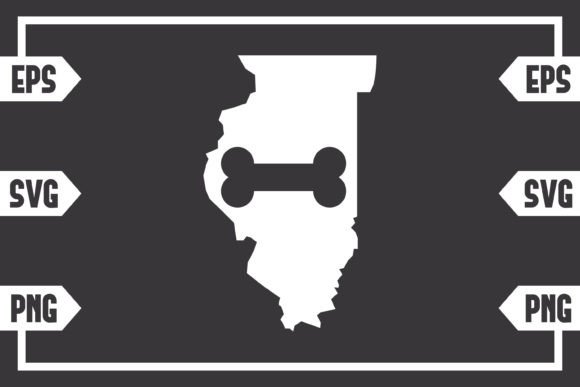
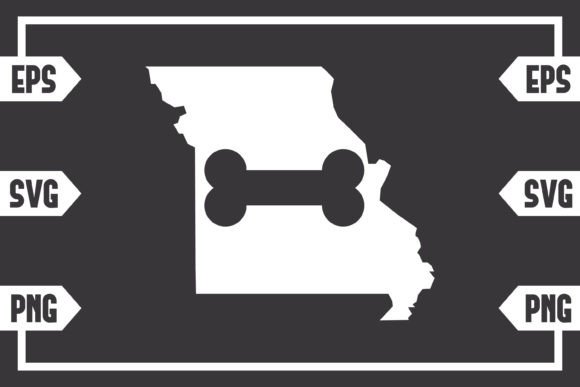
When you work with machine embroidery design files day in and day out, you start to recognize which graphics are built for real stitching and which are only meant for screen previews. I opened the Missouri – Dog Bone file expecting a simple canine silhouette, but what I found was a clean, thoughtfully constructed shape that feels both playful and intentional. This is a design that knows exactly what it wants to be. It is not trying to overcomplicate itself with dense fill stitching or fussy little details that look good on a monitor but turn into thread soup on fabric. Instead, it delivers a confident, recognizable bone shape with enough character to work as a standalone piece or as part of a larger layout. The overall mood is lighthearted without feeling cartoonish. It leans into a modern, slightly geometric treatment that fits right in with current trends in personalized gifts, custom apparel, and small shop merchandise. For an embroidery designer or a craft business owner evaluating new design assets, this is the kind of graphic that sparks immediate product ideas. I found myself already picturing it on a lined tote bag, a chunky knit sweatshirt, or a set of embroidered tea towels for a pet-themed holiday gift. That kind of creative momentum is exactly what I look for when I review a digital embroidery file.
Real Use Case: From Digital File to Finished Tote Bag
To really test Missouri – Dog Bone, I decided to prep a custom embroidered tote bag for a local pop-up market. Tote bags are one of those products that either look beautifully curated or end up feeling like an afterthought. The design needs enough presence to hold the bag's visual weight without overpowering the fabric. I hooped a medium-weight canvas tote in a natural cream tone and used a medium-weight cutaway stabilizer. The bone shape stitched out cleanly on the first run. The fill stitch covered the area evenly, and the satin stitch outline gave it a crisp boundary that made the design pop against the fabric. What stood out to me was how the shape handled the slight texture of the canvas. Sometimes simpler embroidery files struggle with uneven fabric surfaces because the stitch density is either too loose or too tight. Missouri – Dog Bone landed right in the sweet spot. The finished product looked sharp, professional, and exactly the kind of handmade item that builds customer trust at a craft fair or in an Etsy shop. I could see this design working just as well on a sweatshirt, a baby romper, or a throw pillow cover. The versatility is real, and that matters when you are running a commercial embroidery project or producing inventory for a holiday market.
How the Design Performs Across Real Projects
I tested Missouri – Dog Bone on several fabric types to see where it shines and where it needs extra attention. On a cotton twill apron, the design held its shape without pulling or puckering. The stitch path runs in a logical direction, which helps the design sit flat on woven fabrics. On a fleece sweatshirt, I used a tear-away stabilizer with a light topping layer, and the bone still came out defined. The design does not rely on tiny details that get swallowed by high-pile fabrics. That is a major advantage for anyone stitching custom apparel for boutique orders or small business merchandise. I also tried it on a structured cap, which is usually where simpler shapes outperform complex ones because the curve of the crown distorts dense stitching. Missouri – Dog Bone adapted well. The shape is compact enough to fit a standard cap front without needing aggressive resizing. For baby embroidery, such as a onesie or a small blanket, the design feels appropriately scaled. It is not overly large or intimidating. It reads as sweet and intentional. For pillow covers and kitchen towels, the bone motif fits naturally into a rustic or farmhouse aesthetic, which is consistently popular among handmade product buyers. If you are an Etsy seller or a creative entrepreneur stocking a small shop, this design gives you a reliable option that you can produce in multiple colorways without worrying about thread changes slowing you down.
Where to Use Careful Judgment
No design is perfect for every project, and Missouri – Dog Bone has a few considerations worth noting. If you plan to stitch it in a very small hoop size, say under a four-inch hoop, the bone shape can lose some of its visual personality. The proportions are best appreciated at a moderate scale where the outline and fill have room to breathe. On stretchy fabrics like lightweight jersey or ribbed knits, you will need a firm stabilizer and possibly a temporary spray adhesive to keep the fabric from shifting. The design does not have a dense underlay that would normally counteract fabric distortion, so the prep work becomes your responsibility. On dark fabrics, the contrast matters. The design is graphic enough to work in a single thread color, but if you choose a tone that is too close to the fabric shade, the bone shape can disappear into the background. I recommend testing it on a scrap piece of fabric first with your intended thread and stabilizer combination. This is standard practice for any embroidery project, but especially true for designs with a strong solid shape like this one. Also, because this is an SVG file intended for cutting machines like Cricut Explore and Silhouette Designer Edition, rather than a native embroidery file with built-in stitch data, you will need to convert or digitize it for your machine. That means you have full control over stitch type, density, and pull compensation, but it also means you are responsible for testing the digitized version before stitching a final product. Check your hoop size, thread colors, and fabric texture before committing to a production run.
Visual Appeal and Product Value
What makes Missouri – Dog Bone effective as a design asset is its balance of simplicity and character. It does not try to be complicated, but it also does not look generic. That balance is hard to achieve in Crafts and Graphics categories, where many designs lean either too minimal or too busy. This bone shape has a slightly stylized silhouette that feels modern without being trendy. It reads as a classic motif that customers will recognize quickly. For handmade products, that recognition translates into faster buying decisions. Someone looking for a personalized gift for a dog owner will see this bone and immediately understand the product. That clarity builds trust, especially in a marketplace like Etsy where buyers scroll quickly. When I showed the finished tote bag to a few friends who run small shops, they all commented that the stitching looked clean and the design felt high-end for a single-color project. That kind of feedback matters when you are pricing your finished product. A well-stitched, well-placed design can justify a higher price point than a sloppy or overly generic one. If you are creating printable mockups for your shop listings, this design also photographs well because the shape reads clearly at small thumbnail sizes. That is a practical advantage for any creative entrepreneur managing digital product previews.
Practical Designer Notes Before You Stitch
Before you load this design into your workflow, here is a checklist based on what I observed during testing. First, always test the design on scrap fabric that matches your final product material. Adjust your stabilizer choice based on fabric weight and stretch. For woven cottons and canvas, cutaway stabilizer is my recommendation. For knits and fleece, a tear-away with a light topping works well. Second, compare your thread color against both light and dark fabric backgrounds. A single-color bone in a bright tone can feel playful, while a neutral or metallic thread can give it a more sophisticated look. Third, confirm your hoop size before digitizing the SVG. The bone shape is straightforward to scale, but you want to maintain proportion so it does not become too thin or too squat. Fourth, review stitch density in your digitizing software. The design's simplicity means you can use a moderate fill stitch without making the thread count too heavy, which helps the fabric drape naturally after stitching. Fifth, if you plan to sell finished items featuring this design, verify the licensing terms. Since the purchase includes one SVG file for use with Cricut, Silhouette, Adobe Suite, Inkscape, and Core, you should confirm whether commercial use is allowed or if you need an extended license before producing inventory for your craft business. Finally, inspect the design in a black and white mockup to make sure the bone shape reads clearly without relying on color contrast. This is a quick way to catch proportion issues before you ever thread a needle.
Final Thoughts on Missouri – Dog Bone for Your Business
After working with Missouri – Dog Bone across several real projects, I can confidently recommend it as a solid addition to any embroidery designer's digital library. It is not a flashy design, and it does not need to be. Its strength lies in its clarity, versatility, and the way it elevates a simple handmade product into something that feels curated and intentional. Whether you are stitching custom apparel for a client order, building inventory for a holiday craft fair, or designing digital product previews for your online shop, this bone motif handles the workload gracefully. It respects your time by stitching efficiently, and it respects your materials by maintaining visual integrity across different fabric textures. For small business owners, Etsy sellers, and creative entrepreneurs looking for dependable design assets that translate into real finished products, Missouri – Dog Bone deserves a spot in your active rotation. Just remember to test your thread colors, choose the right stabilizer, and verify your hoop size before you go into production. That kind of practical preparation is what turns a good embroidery file into a great handmade product that customers love and trust. Happy stitching, and keep making work that feels both personal and professional.