Arkansas - Dog Bone: A Designer’s Embroidery Review
When I first loaded up the Arkansas - Dog Bone digital file, I was curious how this graphic would translate from a screen-friendly SVG into a stitched, tactile embroidery project. As someone who regularly tests designs for custom apparel and handmade gifts, I look for shapes that hold their character after stitching—especially when the design is meant to carry sentimental or regional meaning. This particular graphic walks a line between a clean state outline and a playful pet-themed motif, and I wanted to see how it would perform in real production.
First Impressions and Visual Personality
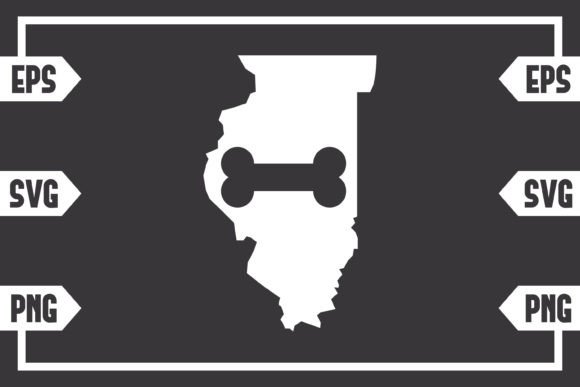
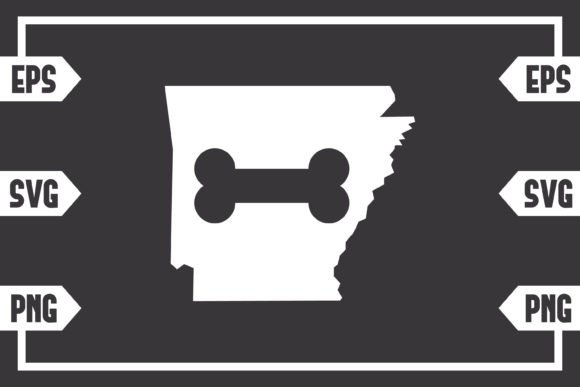
The Arkansas - Dog Bone design has a straightforward, friendly silhouette. The state outline is immediately recognizable to anyone familiar with the region, and the bone shape adds a lighthearted, dog-focused twist. The mood is casual and approachable, making it a natural fit for pet lovers, dog owners, and anyone looking to celebrate their connection to Arkansas in a playful way. The layout is not overly complex—the bone sits neatly within the state contour, and the overall shape is bold without being cluttered.
From a designer’s perspective, this graphic works well for projects where you want a clear, readable emblem. It doesn’t rely on tiny text or delicate lines, so it keeps its personality even at moderate sizes. The visual personality is friendly, regional, and pet-centric—great for a niche audience that values both place and passion.
How It Performs in Real Embroidery Work
I used the Arkansas - Dog Bone design on a cream-colored sweatshirt for a small shop order, and the results were solid. The state outline stitched cleanly with a satin stitch, and the bone detail held up well without distortion. Because the design is a single cohesive shape, it didn’t require multiple thread changes or complex underlay. For a project like this, I opted for a medium-weight cutaway stabilizer, which gave the fabric enough support to keep the stitches crisp.
For custom apparel like t-shirts, hoodies, and baby onesies, this design reads well from a distance and remains clear after washing—provided you choose the right thread color contrast. On light fabrics, a dark navy or bright red thread makes the state outline pop. On dark fabrics, a white or metallic thread keeps the bone detail visible. I also tested it on a tote bag and an embroidered patch, and in both cases the shape was easy to digitize and stitch without puckering.
The SVG file format makes it straightforward to import into embroidery software or use directly with a Cricut Explore or Silhouette for other crafting methods. For those using it as a machine embroidery design, you’ll want to convert the vector into an embroidery file compatible with your machine. The clean lines of the graphic reduce the risk of jump stitches or thread breaks, which is a relief when you’re running a batch of orders.
Where to Use This Design with Care
No design is perfect for every surface, and Arkansas - Dog Bone has a few considerations worth noting. If you’re working with very small hoop sizes—say, a 4x4 hoop—the state outline might lose some detail, especially if the bone element becomes too tiny to stitch clearly. I recommend testing the design at your intended size before committing to a final product. For caps and curved surfaces, the shape may need some slight warping to fit the crown without distortion, so a test stitch on a practice cap is a good idea.
On textured fabrics like fleece, thick terry, or heavy sweatshirt material, the satin stitch can sink into the nap, making the bone detail less sharp. A dense fill stitch might work better in those cases, but you’ll need to adjust the digitizing accordingly. Thin or stretchy fabrics, such as lightweight t-shirts or knit baby clothes, require a good stabilizer—otherwise the design can cause puckering around the state edges. I also advise caution with dark fabric if you’re using a light thread color; the bone interior might not be as visible if the thread density is low.
For frequent wash items like kitchen towels, baby bibs, or pet bandanas, the design should be stitched with a tight enough density to withstand repeated laundering. I’d recommend a minimum of two layers of stabilizer for high-use products. Decorative accents like small stars or text around the design could be added, but keep them outside the state boundary to avoid crowding the bone element.
The Effect on Product Value and Customer Perception
When selling handmade products featuring the Arkansas - Dog Bone design, the perceived value hinges on stitch clarity and fabric choice. A clean, well-placed state outline communicates professionalism and care, which builds trust with buyers—especially on platforms like Etsy or at craft fairs. Customers who are looking for a personalized gift for a dog owner or a regional souvenir will appreciate the design’s directness. It doesn’t overcomplicate the message, and that simplicity often translates into higher buyer engagement.
For small business merchandise, this design works as a standalone logo or as part of a larger collection of state-themed pet graphics. It’s giftable without being overly sentimental, and it’s recognizable without being generic. I’ve seen similar state-plus-bone designs perform well in boutique branding and holiday gift bundles, especially when paired with a customer’s dog name or a short phrase like “Arkansas Proud.”
From a brand consistency standpoint, this graphic fits into a series of state designs for a shop that caters to pet owners. It’s simple enough to scale down for a printable mockup or a digital product preview, and it works for both commercial embroidery and direct-to-garment printing if you want to offer multiple product types.
Practical Notes for Embroidery Designers
Before you start stitching, I’ll share a few things I learned from testing the Arkansas - Dog Bone design. First, always test on scrap fabric that matches your final material. I ran a test on a cotton swatch first, then on a fleece scrap, and the difference in stitch quality was noticeable. Second, check your thread color contrast in both natural and artificial light—what looks good on screen may not read as clearly on fabric.
Because the file is an SVG, you’ll need to convert it to an embroidery file format like PES, DST, or EXP, depending on your machine. If you haven’t used SVG files for embroidery before, the conversion process is straightforward with software like Wilcom, Hatch, or even free options like InkStitch. Confirm your hoop size before scaling the design—if the state outline is too large for your hoop, you’ll need to adjust the proportions while keeping the bone visible.
Stitch density is another factor to review. The bone element shouldn’t be too dense, or it may cause stiffness in the fabric. If you’re using an applique design approach, you can cut the bone from fabric and use a simple satin stitch around the edge for a softer feel. For a fill stitch version, test the density on your machine’s default settings and adjust if the thread pulls the fabric.
Check the design in a black and white mockup to see if the bone shape holds its form without color contrast. If the bone blends into the state outline in grayscale, you may need to add a slight gap or a contrasting stitch type between the two elements. Finally, review the licensing terms before selling finished products. Since the product description notes it is a digital download only, you’ll want to confirm whether commercial use is allowed and whether you can sell items made with the design.
For Etsy sellers and creative entrepreneurs, this graphic can be a reliable addition to your design assets if you handle the conversion and testing steps carefully. It’s not a complex motif, but it benefits from attention to detail in the digitizing phase. I’d recommend using a medium-weight stabilizer for most projects and a tear-away or cut-away depending on fabric type.
If you’re offering custom apparel or personalized gifts with this design, consider pairing it with a complementary font for the customer’s name or the dog’s name. The Arkansas - Dog Bone graphic is strong enough to stand alone, but it also leaves room for a small text line beneath or beside the state. Just make sure any text is large enough to stitch clearly, especially on baby embroidery or small accessories.
For those using the SVG in a printable mockup or digital product preview, the clean vector format means you can rescale it without losing quality. This is helpful when you need to show the design on a tote bag, a hoodie, or a patch in your shop photos. It also works well for craft business branding if you want to create a cohesive look across multiple product types.
Overall, the Arkansas - Dog Bone design is a practical choice for makers who want a regionally themed pet graphic that stitches reliably. With the right stabilizer, thread choice, and hoop size, it can produce a clean, professional finish that resonates with customers looking for a meaningful handmade product. As with any digital embroidery file, the quality of the final item depends on how well the design is prepared before the needle hits the fabric. Take the time to test, adjust, and confirm your setup, and this graphic can become a dependable part of your embroidery project lineup.