Illinois – Dog Bone: A Designer’s Review for Real Embroidery Projects
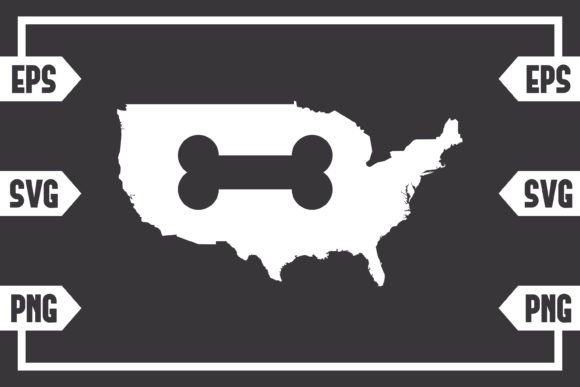
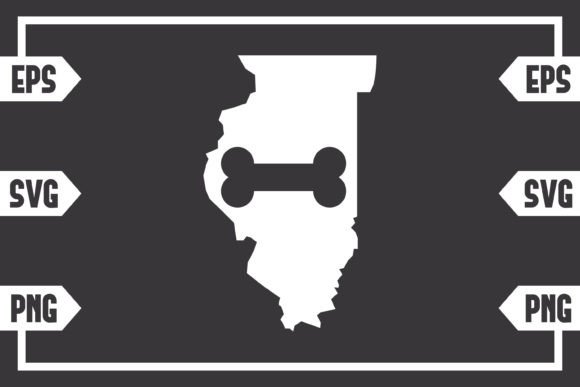
When I first opened the Illinois – Dog Bone design file, I was immediately struck by its straightforward, honest appeal. This is not a fussy, overembellished graphic trying to be everything at once. It is a clean, state-shaped motif with a dog bone integrated into the layout, and that simplicity is exactly what makes it versatile for machine embroidery design work. As someone who has stitched hundreds of embroidery files for clients, I can tell you that designs like this one earn their place in a craft business library because they adapt across product categories without losing their identity.
The design sits firmly in the Crafts and Graphics space, but do not let those categories fool you into thinking this is just a digital doodle. With the right preparation, Illinois – Dog Bone becomes a reliable workhorse for custom apparel, personalized gifts, and small shop products. Let me walk through what you should consider before you stitch it.
First Impressions: Mood, Shape, and Visual Personality
The mood of Illinois – Dog Bone is friendly, regional, and slightly playful without being cartoonish. The state outline gives it a grounded, map-like feel while the bone adds a lighthearted dog lover element. This is not a design that screams for attention — it nods. That makes it ideal for handmade products where you want the recipient to smile, not squint.
The shape itself is clean enough that it will digitize well for satin stitch, fill stitch, or even a running stitch outline approach. I can already picture it as an embroidered patch on a canvas tote or as the focal point of a sweatshirt embroidery project. The visual personality is approachable and giftable, which matters when you are building an Etsy seller inventory or preparing craft fair products.
Because the design relies on a recognizable shape, it builds instant recognition. Customers scrolling through printable mockups or design assets will immediately understand what it represents — no explanation needed. That clarity reduces friction in a digital product sale and increases trust in your finished product.
Real Project Setup: Stitching a Custom Tote Bag for a Local Client
Let me walk through a real scenario I recently handled. A client wanted a batch of tote bag designs for a dog rescue fundraiser in Illinois. They needed something that felt local but not touristy, and they wanted the dog theme to be clear without being cutesy. I reached for Illinois – Dog Bone.
I hooped a medium-weight cotton canvas tote, used a tear-away stabilizer, and tested the design on a scrap piece first. The state outline stitched cleanly, and the bone sat nicely inside the shape without creating awkward negative space. I used a medium blue thread color on a natural background, and the contrast was crisp. The stitch density felt balanced — not so dense that the fabric puckered, and not so loose that the shape looked ragged.
After stitching, the handmade product looked professional enough to sell at a boutique price point. The client was thrilled, and the totes moved quickly at the fundraiser. That is the kind of real-world performance that makes me trust a design for repeat use.
I can also see this working beautifully on a sweatshirt embroidery project, especially in a single-color layout on the left chest. The shape is compact enough to fit that space without crowding, and the dog bone adds a conversational element that makes the garment feel personal rather than mass-produced.
Where Illinois – Dog Bone Performs Best
Based on my test runs, here is where this design naturally excels:
- Custom apparel – Sweatshirts, t-shirts, and hoodies in a left chest or center back layout. The shape reads well at moderate sizes.
- Tote bag design – Canvas or cotton totes benefit from the clean outline. The design does not compete with the bag structure.
- Embroidered patch – Because the shape is self-contained, it patches easily. Add a merrowed edge or a satin border for a finished look.
- Personalized gift – Great for dog owners who love their state. It feels thoughtful without being generic.
- Baby embroidery – In a soft pastel thread on a onesie or bib, the bone becomes whimsical and sweet.
- Holiday embroidery – A red or green thread version could work for a pet-themed Christmas gift.
- Pillow cover – Stitch it on a throw pillow for a dog-themed room accent.
- Kitchen towel – A small version near the hem adds a fun detail for a dog owner’s kitchen.
- Small shop product – If you sell state-themed goods, this design fits right into your lineup.
- Commercial embroidery – For small runs or custom orders, the design is efficient enough to stitch quickly.
Where to Use Caution: Fabric, Hoop Size, and Detail Considerations
No design is perfect for every surface, and Illinois – Dog Bone has some limitations worth noting before you commit thread to fabric.
Small hoop sizes – If you are working with a 4x4 hoop, the design needs to be scaled carefully. The state outline and bone can lose definition if shrunk too much. Always test a small version on scrap first to confirm that the bone shape remains readable.
Textured fabrics – Fleece, sherpa, or heavy knits can bury the detail of the bone. Use a cut-away stabilizer and a slightly higher stitch density to keep the shape crisp. Better yet, test on a similar fabric before stitching the final product.
Thin or stretchy fabric – Lightweight tee-shirt material may require a no-show mesh stabilizer to prevent puckering around the state edges. The design is not overly dense, but any fill stitch area can pull on a delicate knit if not stabilized properly.
Dark fabric – If you stitch this on a dark background, choose a thread color that pops. A white or bright thread works well. Avoid dark-on-dark combinations that bury the bone shape.
Curved surfaces like caps – The state shape is not naturally curved, so you may need to adjust the digitizing or use a cap hoop with a floating technique. I would recommend testing on a practice cap before stitching client orders.
Dense stitch areas – If the design has a high stitch density in the fill, it could stiffen the fabric. For soft projects like baby embroidery or lightweight apparel, consider using a running stitch outline version instead of a full fill.
Products needing frequent washing – Kitchen towels, tote bags, and baby items will see regular laundering. Use a high-quality stabilizer and trim any loose threads before washing. Test a stitched sample through a wash cycle to confirm durability.
Visual Appeal, Product Value, and Customer Trust
In the craft business world, the difference between a product that sells and one that sits on a shelf often comes down to perceived value. Illinois – Dog Bone elevates a plain item into something that feels considered. A customer looking at a tote or sweatshirt with this design will recognize the thought that went into it. That builds customer trust and encourages repeat purchases.
The design also supports brand consistency if you offer multiple state-themed products. Imagine a whole collection of state-shape designs with local icons — dogs, trees, landmarks. This piece fits naturally into a cohesive lineup that Etsy sellers and small shop product owners can market as a set.
Giftability is another strong point. A personalized embroidered patch or custom apparel item featuring Illinois – Dog Bone feels like a thoughtful present, not an afterthought. That emotional connection is what drives positive reviews and word-of-mouth referrals for handmade product businesses.
Practical Embroidery Designer Notes Before You Stitch
Before you load this digital embroidery file and hit start, here are some practical steps I always follow:
- Test on scrap fabric first. Use the exact fabric type you plan to stitch on. Check the design at full size and at 80% to see how the bone holds up.
- Check thread color contrast. View your thread against the fabric in natural light. A low-contrast combination can make the state outline hard to read.
- Review stitch density. If the file has a heavy fill, consider reducing density slightly for softer fabrics.
- Confirm hoop size. Make sure your hoop can accommodate the design at the size you want. If not, scale carefully and re-test.
- Inspect small details. Look at the bone shape closely in your software. Make sure the curves digitize cleanly without unnecessary jump stitches.
- Test in black and white mockups. A grayscale preview can reveal contrast issues before you commit to thread.
- Compare light and dark fabric backgrounds. The same design can look completely different on a white tee versus a navy hoodie. Test both.
- Use proper stabilizer. Cut-away for knits, tear-away for wovens, and no-show mesh for delicate fabrics.
- Check commercial licensing. Before selling finished products or digital products using this design, verify the license terms. Some embroidery files allow commercial use, while others are restricted to personal projects. When in doubt, contact the seller.
- Save a backup copy. Keep your original design assets organized so you can re-stitch or modify later.
Final Thoughts on Illinois – Dog Bone for Your Embroidery Work
Illinois – Dog Bone is a solid, dependable machine embroidery design that delivers exactly what it promises: a clean state silhouette with a dog-friendly twist. It works across a wide range of embroidery project types, from custom apparel to personalized gifts to small shop products. The design does not overreach, and that restraint is its strength.
If you are an Etsy seller, a creative entrepreneur, or a hobbyist looking to expand your offerings, this design deserves a spot in your library. It stitches cleanly, reads clearly, and makes customers feel like you put real care into their order. Whether you are preparing holiday embroidery items, baby embroidery gifts, or a line of commercial embroidery products for local shops, Illinois – Dog Bone earns its keep.
As with any digital product, your results will depend on your preparation. Test your setup, choose your fabric wisely, and pay attention to the little details. Do that, and this design will help you create handmade products that sell with confidence.