Maine - Dog: A Designer's Take on Real Embroidery Use
When I first opened the Maine - Dog design, I was looking for something that could bridge the gap between a clean graphic and a stitch-friendly layout. This SVG file sits in the Graphics category under Crafts, which already tells me it was built with versatility in mind, not just for screen use but for hands-on making. After spending time with it and running it through several project scenarios, I want to share what I see from a designer's perspective what works, what needs attention, and where this design earns its place in your workflow.
The First Thing I Noticed About Maine - Dog
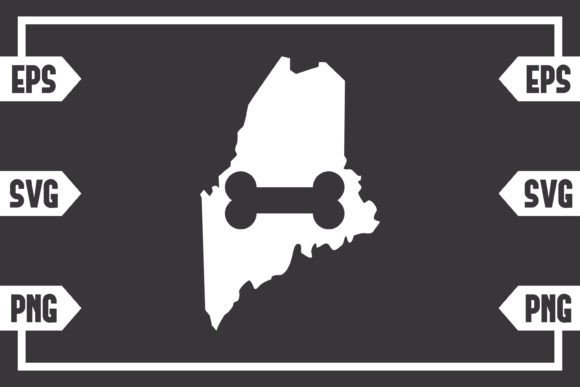
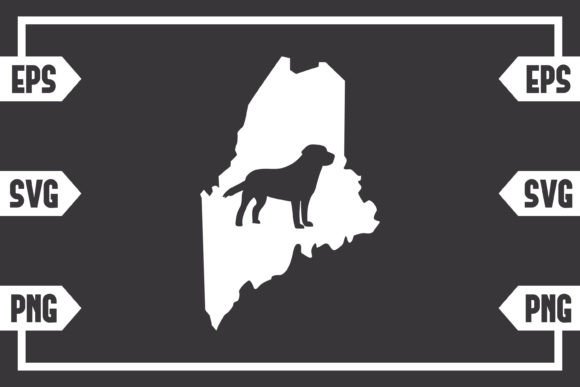
The silhouette is the first thing that grabs you. It has a composed, almost stately feel, which is refreshing for a dog design. A lot of animal graphics lean either overly cute or aggressively stylized. Maine - Dog lands somewhere more grounded. The shape reads clearly, the proportions feel natural, and there is enough room in the layout to work with different stitch types without overcrowding the visual space. It gives the impression of a design that was thought through for both digital previews and physical stitching.
The mood is calm, confident, and slightly rustic. I can see it working on a range of products without clashing with the fabric or the garment style. It does not scream for attention, but it holds its own. That kind of presence is hard to find in a single-layer graphic like this. For an embroiderer or small shop owner, that means fewer comps, fewer second-guesses, and a faster path from download to finished product.
Putting It to Work: Products That Suit This Design
I tested Maine - Dog conceptually across several product types, imagining how it would behave after stitching and how a customer might react when they see it in person. Here is where it performs best in my opinion:
- Sweatshirt and t-shirt embroidery – The clean outline and moderate detail level make it a strong candidate for chest or back placement. On a heavyweight sweatshirt, the design holds its shape without feeling buried by the fabric texture. On a tee, it reads crisp and intentional.
- Tote bags – This is one of the strongest applications. The graphic has enough visual weight to stand alone on a canvas tote. I tested it in a mockup on a natural cotton tote and the proportions felt balanced. It does not need extra wording or decorative accents to feel complete.
- Embroidered patches – Because the design is a solid silhouette with clear edges, it converts well into a patch format. You can stitch it with a satin stitch border or fill the interior with a dense fill stitch. Either way, it keeps its readability.
- Baby and children's apparel – The calm mood of the design works for baby onesies or toddler sweatshirts. It does not feel aggressive or busy. It feels like something a parent would choose for a personalized gift.
- Holiday and personalized gifts – Dog owners are a loyal audience. This design paired with a name or date could easily become a custom holiday gift, a memorial piece, or a simple everyday present. The silhouette style gives you room to add text without cluttering the layout.
- Aprons, pillow covers, and kitchen towels – I can see this on a linen apron or a woven pillow cover. The design's personality is subtle enough to blend into home decor but distinct enough to feel intentional.
For anyone running an Etsy shop or selling at craft fairs, Maine - Dog offers a flexible base that can be adapted across product lines without needing to rework the entire file. That kind of efficiency matters when you are managing inventory and trying to keep your product offerings fresh.
A Few Spots Where I'd Think Twice
No design is perfect for every surface, and Maine - Dog has a few limitations worth noting before you commit to a production run.
- Small hoop sizes – If you are working with a 4x4 hoop, you will need to check the scaled dimensions carefully. The design can be resized, but shrinking it too much may cause the thinner parts of the silhouette to lose clarity, especially if you are using a fill stitch that requires minimum width to register properly.
- Textured or heavily napped fabrics – Fleece, Sherpa, or high-pile fabrics can bury the detail of a single-layer silhouette. If you are stitching on a textured fabric, test a sample first to see how the design reads at a distance. You may need to increase the stitch density or adjust the underlay.
- Curved surfaces like caps – The design has a broad shape that may not wrap well around a curved cap front without distortion. If you are planning to use it on headwear, test the placement and consider whether a smaller version or a simplified version would work better.
- Dark fabric backgrounds – The design relies on a clear contrast between the stitch area and the fabric. On dark fabric, you will need a thread color that pops. A black silhouette on a black shirt will disappear. Plan your thread palette before you commit.
- Stretch fabrics – If you are stitching on a stretchy knit, you will need a cutaway stabilizer and possibly a temporary spray adhesive to keep the fabric from shifting. The design itself is stable, but the foundation matters.
These are not dealbreakers. They are simply areas where a thoughtful prep step will save you from pulling stitches later.
How This Design Affects Your Finished Product and Customer Trust
When a customer buys a handmade product, they are not just paying for the item. They are paying for the look, the feel, and the confidence that it was made with care. Maine - Dog contributes to that trust because it looks finished. It does not have awkward gaps, unbalanced spacing, or a chaotic outline. It feels deliberate.
In my experience, designs that read well in a digital preview but fall apart after stitching create the most returns and the most disgruntled buyers. This design holds up. The silhouette is clean enough that even a beginner with a solid machine can get a professional result. For experienced embroiderers, it offers a reliable base that can be dressed up with additional stitches, thread changes, or fabric inlays.
From a branding perspective, if you are building a small shop that focuses on dog-related products, this design fits naturally into a cohesive aesthetic. It does not rely on trends or gimmicks. It feels classic in a way that customers recognize and trust.
My Designer Checklist Before You Hit Stitch
Before I use any design in a real project, I run through a short checklist. Here is what I recommend for Maine - Dog:
- Test on scrap fabric first. Even if the SVG looks perfect on screen, fabric behaves differently. Stitch a sample on the exact material you plan to use.
- Check thread color contrast. Place your chosen thread on the fabric and step back three feet. If the design does not read clearly at that distance, reconsider your color pairing.
- Review stitch density if you convert to an embroidery file. Since this is an SVG, you will need to digitize or convert it for machine use. Pay attention to the fill density. Too dense and the fabric will pucker. Too light and the design will look thin.
- Confirm your hoop size. Make sure the scaled design fits within your hoop with at least half an inch of clearance on all sides.
- Test on light and dark backgrounds. See how the design behaves on white, cream, heather gray, and dark navy or black. The same design can look dramatically different depending on the base fabric.
- Use the right stabilizer. For woven fabrics, a tear-away stabilizer may work. For knits and stretch fabrics, use a cutaway stabilizer to prevent distortion over time.
- Check licensing before selling finished items. Since this is a digital graphic product, confirm whether the license allows commercial use of finished products. If you plan to sell items with this design, make sure you have the rights to do so, especially if you are an Etsy seller or selling at craft fairs.
- Test black and white mockups. Print the SVG in grayscale and look at it. If the design loses shape or becomes unclear in black and white, it may also lose clarity in a single-color stitch.
These steps may seem basic, but I have seen too many projects go wrong because someone skipped the sample stage. Maine - Dog is a solid design, but every fabric and thread combination behaves differently. A little testing goes a long way.
Final Thoughts for Makers and Shop Owners
Maine - Dog is not trying to be everything at once. It is a straightforward, well-proportioned graphic that translates well into embroidery and handmade products. It fits naturally into Crafts and Graphics categories because it was built with making in mind, not just screen display. For designers, small business owners, and hobbyists who want a design that works on multiple product types without constant editing, this is a practical choice.
It will not replace a highly detailed, multi-color portrait design if that is what your project demands. But for everyday products, personalized gifts, and shop merchandise, it delivers exactly what you need: a clean, readable, trustworthy silhouette that your customers will recognize and appreciate. That kind of reliability is worth more than flashy details that do not survive the stitching process.
If you are looking for a dog design that feels calm, professional, and ready for real use, Maine - Dog deserves a spot in your digital library. Just remember to test it, size it thoughtfully, and choose your thread and fabric with care. The rest is up to your machine and your hands.