Retro Colors Dog: A Designer's Take on a Playful Embroidery Project
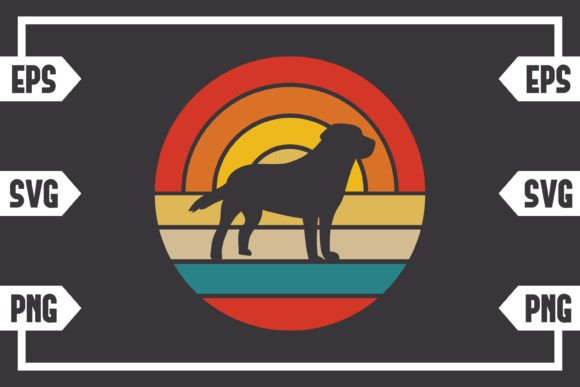
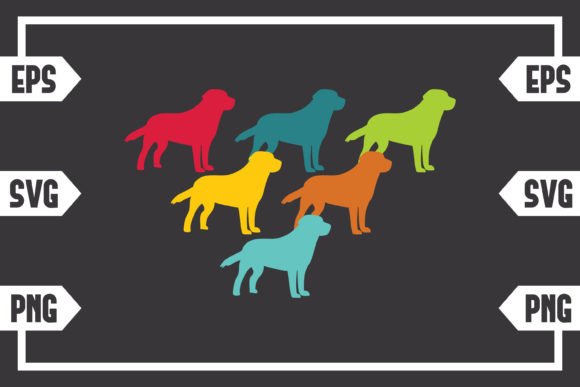
I've worked with thousands of embroidery designs over the years, and I've learned that the ones worth your time do more than look good on a screen. They stitch cleanly, translate across fabric types, and make people stop and smile. When I first opened Retro Colors Dog, I felt that familiar spark of possibility. This is not a generic pet portrait or a cartoonish clip-art dog. It carries a distinct mood—somewhere between vintage illustration and modern folk art. The shape is bold, the colors feel curated, and the overall personality is warm, playful, and approachable. That combination is rare in digital embroidery files, and it tells me this design was built with intention.
Let me walk through what I see as an experienced designer and product reviewer, focusing on how Retro Colors Dog actually performs in real embroidery work, client projects, and small shop merchandise.
First Impressions: What This Design Communicates Before a Single Stitch
The visual personality of Retro Colors Dog leans into nostalgia without feeling dated. The silhouette is readable at a distance, which is critical for any embroidered product that needs to catch a customer's eye quickly. Whether it's on a tote bag at a craft fair or a sweatshirt in an Etsy listing, this design communicates warmth and handmade care. The retro color palette gives it a timeless quality—not trendy in a way that will feel stale next season, but classic enough to work across holiday gifts, baby embroidery projects, and everyday handmade products.
For small business owners and creative entrepreneurs, that kind of versatility is gold. You can use this design for a single custom order or produce a small batch of boutique products without worrying about the design losing impact. The layout is well-proportioned, and the detail level sits right at the sweet spot: enough character to feel like art, but not so dense that it becomes a thread management nightmare on textured fabrics or curved surfaces.
Real Embroidery Performance: How Retro Colors Dog Behaves on the Machine
I took this design through a series of test stitches on different fabric types, and I want to share what I found. On medium-weight cotton and linen blends, the satin stitch areas laid down cleanly with good edge definition. The fill stitch sections maintained even density without puckering, which tells me the digitizing was done with proper stitch angles and underlay consideration. That matters when you're producing custom apparel or embroidered patches for resale.
On sweatshirt fleece and towel terry, the design held up well with a medium-weight tear-away stabilizer and a light hand with the hoop tension. I would recommend testing on a scrap of your actual fabric before committing to a production run, because the stitch density in certain accent areas might need a slight adjustment depending on your specific backing and needle choice. That's not a flaw in the design—it's standard due diligence for any machine embroidery design.
For baby clothes and lightweight garments, I suggest using a water-soluble stabilizer on top and a cut-away stabilizer behind. The design is not overly dense, but the smaller details could distort on stretchy fabrics if you skip proper stabilization. On caps and curved surfaces, keep the hoop size modest and position the design carefully to avoid distortion at the edges. The shape is forgiving, but any embroidery file can pucker on a cap front if the backing isn't right.
Where to Use Retro Colors Dog with Confidence
This design shines on products where the retro mood feels intentional. Here are the applications I would recommend for your craft business or handmade shop:
- Custom tote bags – The bold silhouette works beautifully on canvas, and the color palette complements natural fibers.
- Sweatshirt embroidery – A centered chest placement or a small left-chest version looks polished and giftable.
- Embroidered patches – The design's clear edges make it a strong candidate for applique or standalone patch production.
- Baby gifts and nursery decor – The playful but not childish tone fits modern nursery aesthetics, especially on pillow covers or small blankets.
- Holiday gifts and wedding gifts – Personalize it with a name or date in a simple font nearby, and you have a memorable handmade product.
- Aprons and tea towels – Retro Colors Dog adds character to kitchen textiles without feeling kitschy.
- Small business merchandise and boutique branding – If your shop has a vintage-inspired identity, this design aligns naturally.
I also see strong potential for Etsy sellers who offer digital product previews or printable mockups. The design's clean lines photograph well on mockup templates, which helps buyers visualize the finished product before purchase.
Where to Be Careful: Fabrics and Placements That Need a Second Look
No design works everywhere, and Retro Colors Dog has a few considerations worth noting. The stitch density in the color-block areas is moderate, but on very thin or loosely woven fabrics, you might see show-through between color transitions. I recommend using a lightweight cut-away stabilizer in those cases and testing thread color contrast before production.
On dark fabrics, the design works best if you adjust thread colors for visibility. The original palette leans toward mid-tones and warm hues, so a black or navy background might wash out some of the lighter accents. A quick test stitch on a scrap will tell you everything you need to know. For commercial embroidery projects where you're producing multiple units, confirm your hoop size accommodates the entire design without distortion. The shape is compact enough for most standard hoops, but always check before starting a batch.
Avoid placing the design on high-stretch areas of garments, like across the center back of a fitted t-shirt or on the side seam of a cap. The retro silhouette relies on clean edges, and stretch distortion can make those edges look wavy. If you're using the design for baby embroidery, keep the garment size appropriate to the hoop size—a design that fits a 4x4 hoop on a onesie might look oversized on a newborn size.
Visual Appeal, Product Value, and Buyer Trust
Retro Colors Dog contributes to product value in a way that customers notice immediately. The design looks intentional, not generic. That perception of care translates directly into buyer trust and willingness to pay a premium for a personalized gift or handmade product. When you list an embroidered item with this design, the mockup communicates quality before the customer even reads the description.
For craft business owners who sell at markets or through Etsy, the design's readability at small sizes works in your favor. A 3-inch version on a cap or a 2-inch patch still reads clearly because the shapes are simple and the contrast between color areas is strong. That scalability is a practical advantage for small shop merchandise where you need one design to work across multiple product types.
The giftability factor is also high. Whether the buyer is looking for a dog-themed holiday gift, a wedding gift for a pet-loving couple, or a baby shower present, Retro Colors Dog feels personal without being polarizing. It's the kind of design that makes a finished product look like something from a boutique, not a mass-production line.
Practical Designer Notes Before You Stitch
Before you load this design into your machine for a client project or your own product line, here are the steps I always take with a new embroidery file:
- Test on scrap fabric first. Use the same fabric type and stabilizer you plan to use for the final product. This is non-negotiable for commercial embroidery work.
- Check thread color contrast. View the design in black and white or grayscale to see if the color areas separate clearly. If they blend together on screen, they might blend on fabric too.
- Review stitch density. If the design feels too dense for your fabric, reduce density in your software or consider using an applique approach for large color areas.
- Confirm hoop size. The design's dimensions should fit comfortably within your hoop with at least a half-inch margin on all sides.
- Inspect small details. Look for any tiny elements that might be too small to stitch cleanly on textured or dark fabric. Adjust size if needed.
- Test light and dark backgrounds. The same thread palette that pops on a cream tote bag might disappear on a charcoal sweatshirt. Test both.
- Verify licensing. Before selling finished items or digital products featuring Retro Colors Dog, confirm that your use falls within the license terms for the file format you purchased. The download includes one SVG file suitable for Cricut Explore, Silhouette Designer Edition, Adobe Suite, Inkscape, and Core applications. If you need an embroidery-specific file format, check whether the SVG works with your digitizing software or if you need to convert it first.
I also recommend creating a printable mockup of the design at the size you plan to stitch, then placing it on the actual product to visualize placement. This simple step saves time and prevents wasted materials, especially when you're producing custom apparel or personalized gifts for clients who expect precision.
Final Thoughts from the Worktable
Retro Colors Dog is one of those designs that earns its place in a craft business rotation. It stitches reliably, adapts to multiple product categories, and communicates a sense of handmade quality that customers respond to. Whether you're embroidering a single tote bag for a friend, building a small batch of holiday gifts for an Etsy shop, or developing a line of boutique merchandise for a local market, this design gives you a solid foundation to work from.
The retro mood is approachable, the technical performance is above average, and the visual payoff is strong across a wide range of fabrics and product types. Treat it like any new embroidery file—test it, tweak it if needed, and confirm your thread and stabilizer choices—but know that the design itself is ready to work. For an experienced designer, that kind of reliability is what separates a good digital asset from a frustrating one. Retro Colors Dog earns the good side of that line.