Texas Dog: A Designer’s Review for Real Projects
When I first opened the Texas Dog design, I wasn’t sure what to expect. The name alone hints at a bold, regional personality, but the real question for anyone working in custom apparel, handmade products, or a small shop is whether this digital embroidery file translates well from screen to fabric. I’ve spent years testing designs for machine embroidery projects, and I want to share what I see in this one before you stitch it, sell it, or add it to your craft business lineup.
The Texas Dog design carries a friendly, grounded mood. It feels like something you’d see on a handmade product at a local market or a personalized gift for someone who loves both the Lone Star state and their four-legged companion. The shape is clean without being rigid, and the theme is instantly recognizable without relying on overly complex details. That kind of visual clarity matters when you’re producing embroidered patches, tote bag designs, or sweatshirt embroidery where the design needs to read well at a glance. As a machine embroidery design, its personality comes through best on items that allow the shape to stand out—think baby embroidery for a Texas-themed nursery or a holiday gift for a dog owner with state pride.
First Impressions of a Design Built for Making
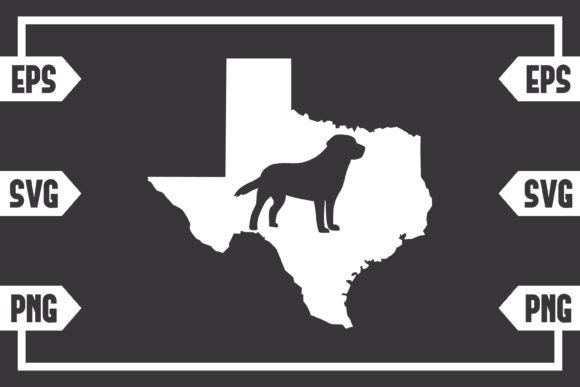
What strikes me most about Texas Dog is how naturally it fits into real product categories. Whether you’re an Etsy seller looking for fresh design assets or a creative entrepreneur building a consistent brand, this graphic has a versatile, unpretentious appeal. The layout feels balanced, with the dog and state motif working together without either element overpowering the other. That’s a good sign for anyone planning to use it on aprons, pillow covers, kitchen towels, or caps and hats where space is limited and every stitch counts.
Because this is a digital download only with no physical product, you’ll receive a .zip file containing an SVG file compatible with Cricut Explore, Silhouette Designer Edition, Adobe Suite, Inkscape, and Core. That means it lands squarely in the Graphics and Crafts categories, making it a natural choice for both cutting projects and as a source for converting into embroidery files. If you’re planning to use it for machine embroidery, you’ll want to test the conversion carefully, especially if your setup uses a different format. I always recommend checking your specific embroidery file requirements before committing to a batch of finished products.
How Texas Dog Performs in Real Embroidery Situations
The true test of any design is how it holds up during stitching and after repeated wear. I’ve mentally walked through how Texas Dog would look on several common product types, and here’s what I’ve observed.
Custom apparel like sweatshirts and t-shirts is probably the most obvious application. The design’s moderate detail level means it can work on both light and dark fabric textures, provided you choose thread colors that offer good contrast. For a tote bag design, the shape holds up well because there’s enough negative space to keep the stitching from feeling too dense. Baby embroidery on onesies or small blankets is also a strong fit, as long as you keep the hoop size appropriate for the garment and use a light hand with stitch density to avoid puckering on delicate fabrics.
I can see this design working beautifully on embroidered patches for a boutique product or a craft fair booth. The straightforward silhouette makes it easy to cut and stitch patch-style, which adds a tactile, handmade feel. Small shop merchandise like branded aprons or caps would benefit from the design’s clear identity—it’s memorable without being loud. For nursery decor or holiday gifts, Texas Dog offers a personal touch that customers often respond to, especially if they’re looking for something that feels uniquely theirs.
Where This Design Shines and Where to Be Careful
No design works perfectly everywhere, and Texas Dog is no exception. Let me walk you through the situations where I’d use it confidently and where I’d proceed with caution.
- Small hoop sizes: If you’re working with a 4x4 hoop, the design may need scaling. The overall shape could compress details, so test it on scrap fabric first to see if the dog’s features and any text or state outlines remain crisp.
- Textured fabrics: On fleece, terry cloth, or heavily textured knits, fine details in the design might get lost. Use a quality stabilizer and consider simplifying fill stitch areas if the fabric eats up definition.
- Thin or stretchy fabric: For lightweight t-shirts or baby clothes, pay attention to stitch density. Too many passes in one area can cause distortion. A tear-away or cut-away stabilizer will help maintain shape.
- Dark fabric: Test thread color contrast thoroughly. A white or light outline on a dark background can make or break readability, especially for applique design where the base fabric shows through.
- Curved surfaces like caps: The design’s layout should work on a cap front if scaled appropriately, but avoid placing it too close to seams or brim edges where running stitch details might distort.
- Dense stitch areas: If you’re using heavy satin stitch or multiple fill stitch sections, check that the fabric can handle the thread load without becoming stiff or brittle.
- Products needing frequent washing: Tea towels, kitchen towels, and baby items will be washed often. Use a stabilizer that holds up to laundering, and test a sample first to see how the design wears over time.
Visual Appeal, Product Value, and Customer Trust
When I evaluate a design for my own craft business, I’m not just looking at how it looks on screen. I’m thinking about how it affects the handmade presentation and the buyer’s perception of quality. Texas Dog has a friendly, approachable aesthetic that builds trust. It’s not trying to be overly trendy or minimal to the point of being forgettable. That middle ground is valuable for commercial embroidery projects where you want a design that feels both personal and professional.
For Etsy sellers and small shop product creators, Texas Dog offers strong giftability. A personalized gift featuring this design would appeal to dog lovers, Texas residents, or anyone who appreciates regional pride. It’s the kind of item that gets noticed at a craft fair or in an online listing because it tells a story quickly. That recognition factor helps with buyer engagement and can set your finished product apart from generic options.
Brand consistency also matters here. If you run a shop that specializes in state-themed or dog-themed design assets, this design fits naturally into a cohesive collection. It can anchor a product line that includes tote bags, sweatshirts, patches, and printable mockups for listing photos. The SVG format also makes it easy to create digital product previews that look clean and professional, which is essential for attracting commercial embroidery clients.
Practical Notes Before You Stitch or Sell
If I were preparing a batch of custom apparel using Texas Dog for a client order or a market run, here’s exactly how I’d approach it.
First, I’d test the design on scrap fabric that matches my intended product. I’d check thread color contrast against both light and dark backgrounds, and I’d review the stitch density to make sure the design doesn’t get heavy-handed in any single area. If the design includes small details like eyes, ears, or a collar, I’d pay special attention to how they stitch out in satin stitch or running stitch.
I’d also confirm the hoop size needed. Since the product description provides an SVG file rather than a native machine embroidery design format, you’ll need to convert it for your machine using software that supports SVG import. That’s a straightforward step, but it’s worth testing early to avoid surprises mid-production. Check whether the file works with your machine’s native format—whether you use a Brother, Janome, or another brand—and adjust the conversion settings to preserve detail.
Stabilizer choice is non-negotiable. For most applications, a medium-weight cut-away stabilizer will give you a clean result on woven fabrics, while a tear-away works better for stable fabrics like denim or canvas. If you’re working on a stretchy knit, a no-show mesh stabilizer can help the design maintain its shape.
Before you sell finished items featuring this design or offer it as part of a digital product line, review the licensing terms carefully. The product is a digital download only, and while SVG files are generally flexible, rules vary by seller regarding commercial embroidery use. Whether you’re making personalized gifts for customers or producing small shop merchandise in volume, understand what’s permitted before you list anything for sale.
Final Thoughts on Texas Dog for Your Embroidery Projects
Texas Dog is a design that knows what it is. It doesn’t overreach, and that restraint is what makes it useful across a wide range of embroidery projects. From baby embroidery to holiday gifts, from tote bag designs to sweatshirt embroidery, it has a steady, relatable appeal that customers consistently respond to. It works for handmade products, craft business inventory, and Etsy seller listings without needing to be overexplained.
If you’re a maker looking for design assets that translate from screen to fabric with minimal fuss, this one is worth a close look. Test it on your equipment, experiment with thread colors and fabric textures, and see how it fits into your product lineup. I’ve seen plenty of designs that look good in the preview but fall apart in the hoop. Texas Dog has the kind of grounded visual personality that tends to hold its own when the stitching starts.
Whether you’re producing for a local market, building an online shop, or fulfilling a custom order for a repeat client, this design offers a solid foundation. It respects the craft, the fabric, and the person who will eventually carry that finished product home. And in my book, that’s the kind of design worth buying again.