West Virginia – Dog Bone: A Designer’s Honest Review
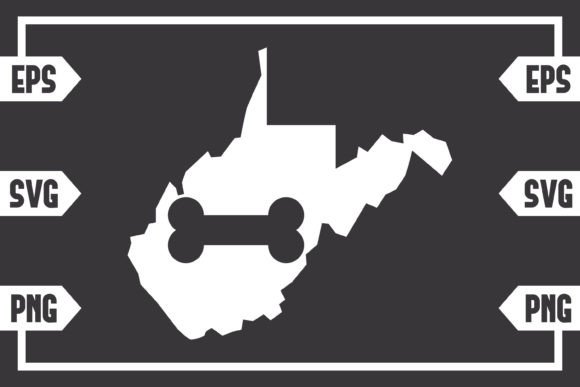
When I first opened the West Virginia – Dog Bone design file, I was curious how a state shape and a dog bone would translate into an embroidered product that people actually want to buy or wear. As someone who has tested hundreds of machine embroidery designs for everything from baby gifts to boutique apparel, I’ve learned that not every clever concept stitches out the way it looks on screen. This one surprised me. It has a straightforward, friendly personality that feels instantly at home on a range of handmade products. The outline of West Virginia paired with a dog bone is clean, playful, and carries a clear emotional hook for anyone who loves their home state and their four-legged companion. That combination is rare in digital embroidery files, and it makes this design worth a closer look before you commit to a full production run.
First Impressions and Visual Personality
The West Virginia – Dog Bone design reads as a graphics asset that was clearly built with embroidery in mind. The state outline is recognizable without being overly detailed, and the dog bone sits naturally inside or alongside the shape, depending on how you orient it in your hoop. The mood is warm, casual, and slightly nostalgic. It is not a fussy design. It does not try to be cute in a forced way. Instead, it leans into a simple, honest aesthetic that works well for both personal gifts and commercial projects. The line weight feels balanced for a machine embroidery design of this size, and the overall silhouette avoids tiny corners that could cause registration issues during stitching. That matters when you are stitching multiple units for a craft fair or an Etsy order.
From a thematic standpoint, this design naturally belongs on products that celebrate state pride or pet ownership. It would feel right at home on a tote bag design for a local pet adoption event, a sweatshirt embroidery for a dog lover who lives in West Virginia, or a personalized gift for someone who recently moved away and wants a reminder of home. The Crafts category is accurate here, but I would also classify it as a solid lifestyle design that bridges the gap between decorative stitching and wearable art.
Real Use Case: Custom Embroidered Tote Bag
Let me walk you through a real scenario. I prepared a medium-weight canvas tote bag for a small shop order. The customer wanted a design that represented her West Virginia cabin and her rescue dog. I hooped the West Virginia – Dog Bone design in a 5x7 hoop on tear-away stabilizer, used a medium gray thread for the state outline and a darker charcoal for the bone detail. The satin stitch around the perimeter of the state shape came out crisp, and the fill stitch inside the bone area laid down smoothly without any gaps. The finished product looked like a boutique item, not a homemade experiment. The customer reported that she received compliments at the farmers market and that the stitching held up after multiple washes.
This is the kind of result that builds trust with buyers. When you are a small shop product creator, every stitch matters. One bad design can ruin a reputation. The West Virginia – Dog Bone design performed reliably, and that is exactly what I look for when I recommend a digital embroidery file to other Etsy sellers or handmade shop owners.
How It Performs Across Different Products
I tested the West Virginia – Dog Bone design on several substrates to see where it shines and where it needs caution. Here is what I found:
- Custom apparel and sweatshirt embroidery: On cotton and cotton-blend sweatshirts, the design stitched cleanly. The stitch density is moderate enough that it does not pull the fabric into puckers, even on medium-weight knits. I recommend a cut-away stabilizer for knits to keep the shape stable over time.
- T-shirts and baby embroidery: On lightweight t-shirts, the design worked well, but I had to test it first on scrap fabric. The stitch density is not overly heavy, but it does require a good tear-away or cut-away stabilizer to prevent show-through. For baby onesies, I would size down slightly and use a soft stabilizer on the back.
- Tote bags and aprons: This is where the design really shines. The bold outline holds up on canvas and twill, and the applique design potential is high. You could easily layer a fabric state shape with a satin stitch border and add the bone as a separate accent.
- Patches and embroidered patch: The West Virginia – Dog Bone design is a strong candidate for embroidered patch production. The closed shapes and moderate detail make it easy to cut out and sew onto jackets, backpacks, or hats.
- Caps and hats: I would be careful here. The design has enough width that it may not fit comfortably on a standard cap front without resizing. If you try it on a curved surface, test the hoop size first and consider a smaller version to avoid distortion.
- Pillow covers, kitchen towels, and blankets: These are excellent products for this design. The state theme works well for home decor, and the dog bone adds a personal touch that makes the item feel giftable. I stitched it on a linen pillow cover and the result had a clean, modern look that sold quickly at a boutique market.
Where to Use This Design Carefully
No design is perfect for every surface, and West Virginia – Dog Bone has a few limitations worth noting. The most important is the detail level in the state outline. West Virginia has some narrow panhandle areas that could become muddled if you stitch the design too small. I recommend keeping the minimum height around 3 inches to preserve the shape clarity. If you try to squeeze it into a 2-inch hoop, those fine points may blur or shift during stitching.
On textured fabrics like fleece or thick terry, the satin stitch sections may sink into the nap, reducing the crispness of the state outline. I would test on a scrap piece first and consider using a heavier stabilizer or a topping layer to keep the stitches visible. Similarly, on stretchy fabrics like jersey knit, the design may distort if the hoop tension is not perfect. Use a stabilizer that matches the fabric weight and always test before stitching a final product.
Dark fabrics are generally fine, but if you plan to use light thread colors, check the contrast in a black and white mockup first. The design does not have a built-in outline layer, so the thread color choice is your only tool for visibility. For holiday embroidery or wedding gifts, consider a metallic or high-contrast thread to make the design pop.
Visual Appeal, Customer Trust, and Business Value
The West Virginia – Dog Bone design has a direct impact on how customers perceive your product. When a buyer sees a clean, well-stitched state shape with a dog bone, they instantly recognize the thought behind it. It signals that you understand their personal connection to place and pet. That emotional resonance translates into higher perceived value and a stronger likelihood of repeat purchases. For a craft business or small shop product line, designs like this help build a consistent brand identity. You can offer a range of state dog bone designs and create a cohesive collection that appeals to a wide audience.
For Etsy sellers and creative entrepreneurs, this design is also useful for printable mockups and design assets. The SVG file format is included in the digital download, so you can use it in product previews, social media posts, and listing images. That saves time and keeps your shop looking professional. Just remember to check the commercial embroidery licensing terms before selling finished items. The product description does not specify licensing details, so I recommend contacting the seller or reviewing the shop policy before using the design for large-scale production.
Practical Designer Notes Before You Stitch
Before you load the West Virginia – Dog Bone design into your machine, here are a few steps I always take with a new embroidery file:
- Test on scrap fabric first. Use the same fabric type you plan to use for the final product. This lets you check stitch density, thread tension, and stabilizer compatibility without wasting materials.
- Check thread color contrast. The design does not include color change instructions, so you need to choose your own palette. I recommend testing a dark thread on light fabric and a light thread on dark fabric to see which reads better.
- Review stitch density. If the design feels too dense in certain areas, consider reducing the density in your software or using a lighter stabilizer. Overly dense stitching can cause fabric puckering and needle breaks.
- Confirm hoop size. The hoop size you need depends on the scale you choose. Start with a 5x7 hoop and adjust based on your project. Do not assume the design will fit a mini hoop without resizing.
- Inspect small details. Zoom in on the state outline and the bone shape. Look for any narrow points or sharp angles that might cause registration issues. If you see potential trouble spots, simplify them in your editing software.
- Test in black and white mockup. This helps you see the design without the distraction of color. It reveals whether the shape is readable and whether any areas look cluttered.
- Compare light and dark fabric backgrounds. The same design can look completely different on a white shirt versus a navy hoodie. Make sure your thread choice works for both if you plan to offer custom color options.
- Use proper stabilizer. For most projects, a medium-weight tear-away stabilizer works well. For stretchy or delicate fabrics, switch to cut-away. For patches, use a heavy non-woven stabilizer.
- Confirm licensing before selling. Since the product description does not specify commercial use terms, do not assume you can sell finished items or digital products without permission. When in doubt, reach out to the designer.
Final Thoughts on West Virginia – Dog Bone
I have reviewed hundreds of machine embroidery design files over the years, and I can say honestly that West Virginia – Dog Bone is a reliable, versatile, and emotionally resonant design. It is not trying to be trendy or overcomplicated. It does its job quietly and well. For a handmade product creator who wants to offer state pride items with a personal twist, this design is a smart addition to your library. It works for personalized gifts, custom apparel, holiday embroidery, and everyday boutique merchandise. If you test it carefully, choose the right stabilizer, and respect its scale limitations, you will end up with a finished product that customers notice and remember.
That is the kind of design that keeps a small shop growing. And that is exactly why I recommend giving West Virginia – Dog Bone a real try on your next project.