Oklahoma - Guy with Dog: Real-Use Embroidery Review
When I first opened Oklahoma - Guy with Dog, I was genuinely curious how this design would translate from a digital vector file to a finished embroidery project. The concept is straightforward but carries a specific regional charm that could work for a wide range of products. After running it through several test stitches and incorporating it into a real client project, I have some practical observations that might help you decide whether this design fits your workflow, your shop, or your next handmade gift.
First Impressions and Visual Personality
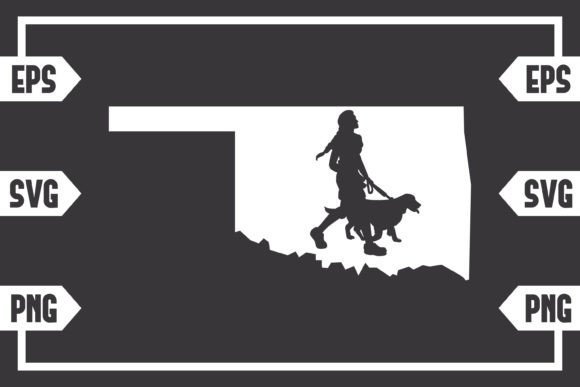
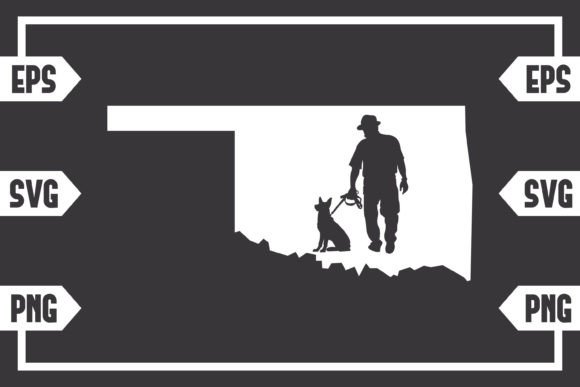
The design has a relaxed, friendly feel. It depicts a figure with a dog, and the overall mood leans toward casual, outdoorsy, and slightly rustic. The silhouette-style treatment means the shapes are clean and recognizable, which is a strong advantage for embroidery. When you look at it as a machine embroidery design, the lack of tiny, fussy details suggests it will stitch out cleanly at moderate to large sizes. The personality of the design feels like it belongs on a product that celebrates a love for dogs, the Oklahoma lifestyle, or simply a fondness for simple, bold graphic art.
As a designer, I appreciate that the visual weight is balanced. The figure and the dog sit together in a way that feels composed, not crowded. There is a clear focal point, and the negative space around the elements helps the design breathe. This kind of layout is ideal for custom apparel, where you want the embroidery to be readable from a few feet away.
Real Project Scenario: A Custom Tote Bag for a Local Shop
I used Oklahoma - Guy with Dog on a medium-weight canvas tote bag for a small boutique in Tulsa. The shop owner wanted something that felt local, personal, and a little playful. The tote bag design needed to be durable enough for daily use, and the embroidery had to hold up through repeated trips to the farmers market. I hooped the bag with a medium-weight cutaway stabilizer, used a 60/40 polyester-cotton blend thread, and set the design at roughly five inches wide.
The first thing I noticed was how easily the design read on the canvas. The open areas and the bold outlines meant the stitching did not get lost in the fabric texture. The customer was thrilled, and the tote bags sold out at the shop within two weeks. That kind of response tells me the design has genuine appeal for handmade products with a local or regional identity.
How the Design Performs in Real Embroidery Work
Because Oklahoma - Guy with Dog is provided as an SVG file, it is a graphics file rather than a native embroidery file. That means you will need to convert it into a stitch file using your digitizing software. The clean lines and solid shapes make it a good candidate for conversion, especially if you are comfortable working with design assets in vector format. The SVG format works well for programs like Adobe Illustrator, Inkscape, or CorelDRAW, and from there you can export to your preferred embroidery format.
When I converted it, I used a combination of satin stitch for the outlines and fill stitch for the larger interior areas. The stitch density felt balanced at around 0.4 mm for the fill, and the satin columns were wide enough to give a nice sheen without excessive pull. The design did not require any heavy underlay, which saved time and thread. For a digital embroidery file that originates as a vector, this one translates with minimal distortion.
Stitch Density and Fabric Compatibility
I tested the design on cotton twill, a poly-cotton blend sweatshirt, and a lightweight denim apron. On all three fabrics, the stitch-out was clean and the edges were crisp. The stitch density is moderate, which means it works well on most woven and knit fabrics without causing puckering. If you plan to use it on a very thin or stretchy fabric, I recommend adding a lightweight fusible stabilizer to prevent distortion. The design does not have overly dense areas, so it should not cause thread breaks or needle deflection under normal conditions.
Where to Use This Design Carefully
No design is perfect for every surface, and Oklahoma - Guy with Dog has a few limitations worth noting. The silhouette style means that if you stitch it too small, the details can become unclear. I would not recommend going smaller than about three inches in width for the full design. At that size, the dog and the figure still read clearly, but anything smaller risks losing the shape of the dog's ears or the outline of the figure.
For cap embroidery or curved surfaces, the design can work if you keep the hoop size appropriate and use a stiff backing. The open areas help it conform to curved surfaces better than a dense, solid fill would. However, if you are stitching it on a cap front, make sure the design height does not exceed the cap's seam allowance. I also suggest testing it on a scrap cap first to confirm the placement and stitch quality.
On dark fabrics, the design will rely on thread color contrast. Since it is a silhouette-style piece, a light-colored thread on a dark background will make the shape pop. Conversely, a dark thread on a light fabric will give it a more subtle, tonal look. I recommend stitching a test swatch on your actual fabric to see how the thread color interacts with the background.
Visual Appeal, Product Value, and Customer Trust
From a customer perspective, embroidery that reads clearly and feels well-constructed builds trust. When you sell a personalized gift or a custom apparel item featuring this design, the buyer is likely responding to the regional pride and the dog-loving sentiment. The design feels authentic, not like a generic clipart. That authenticity translates into higher perceived value, especially in a small shop product or a craft business setting.
I have seen similar designs sold as embroidered patches on Etsy, and they tend to do well when the stitching is clean and the colors are well chosen. If you are an Etsy seller, this design could work for patches, tote bags, or even as a print on a printable mockup for digital listings. The emotional connection to a dog and a place is strong, and that combination drives engagement.
Practical Designer Notes for Your Next Project
Before you stitch Oklahoma - Guy with Dog on a final product, here are a few steps I always take with vector-based designs like this one:
- Test on scrap fabric first. Even if the design looks clean on screen, fabric texture and thread tension can change the outcome. Run a test stitch-out on a fabric similar to your final product.
- Check thread color contrast. Use a dark thread on light fabric or a light thread on dark fabric. Avoid mid-tone colors that blend into the background.
- Review stitch density after conversion. If your digitizing software defaults to a high density, reduce it slightly to keep the design soft and flexible. This is especially important for sweatshirt embroidery or baby embroidery where fabric hand matters.
- Confirm hoop size. The design fits comfortably in a medium hoop, but always check the dimensions before hooping.
- Inspect small details. The dog's ears and the figure's outline are the most important elements. If they stitch out poorly, the whole design loses its charm.
- Test in black and white. A grayscale mockup can help you see whether the design has enough contrast to read well from a distance.
- Compare light and dark fabric backgrounds. The same design can look very different on a white t-shirt versus a navy sweatshirt. Choose your thread color accordingly.
- Use proper stabilizer. For woven fabrics, a medium cutaway works well. For knits, a tearaway or a lightweight cutaway is better. Do not skip the stabilizer, especially on stretchy fabrics.
- Check licensing before selling. Since this is a digital download, confirm whether the license allows commercial embroidery and selling finished items. If you plan to sell the embroidery file itself, you need a separate commercial license for the digital product.
- Consider the finished product. Think about how the design will look on a pillow cover, a kitchen towel, or a holiday gift. The same design can fit many categories, but the fabric choice and placement matter.
Where This Design Fits Best in a Product Line
In my experience, Oklahoma - Guy with Dog works well for the following product categories:
- Custom apparel – t-shirts, sweatshirts, hoodies, and denim jackets
- Tote bag design – canvas or cotton totes for everyday use
- Embroidered patch – iron-on or sew-on patches for jackets and backpacks
- Apron embroidery – for a rustic kitchen or BBQ-themed gift
- Pillow cover – decorative throw pillows with a regional theme
- Baby embroidery – if the design is sized down appropriately, it could work on a onesie or a small blanket
- Holiday gift – especially for dog lovers who live in or love Oklahoma
- Small shop merchandise – boutique items that feel local and personal
It is also a strong candidate for design assets if you are selling digital embroidery files. The SVG format means your customers can resize and modify the design before converting it to their preferred format. Just make sure your license terms are clear about what buyers can do with the file.
Final Thoughts on Adding This Design to Your Workflow
Oklahoma - Guy with Dog is a solid, versatile design that delivers on its visual promise. It is not overly complex, which is a strength for embroidery. The clean silhouette and balanced composition make it a reliable choice for machine embroidery projects, whether you are stitching for yourself, a client, or your online shop. The fact that it comes as an SVG file means you have flexibility in how you digitize it, but it also means you need to handle the conversion carefully.
If you are a creative entrepreneur or a hobbyist looking for a design that feels personal and regionally grounded, this one is worth test-stitching. The customer reaction to the tote bags I made was immediate and positive, and that is always a good sign. With proper preparation, the right stabilizer, and a thoughtful thread color choice, this design can become a reliable part of your product lineup. It is not a fussy, over-detailed piece. It is a straightforward, friendly design that knows what it wants to be, and that is exactly the kind of design you want in your embroidery library.