Malinois Dog Lover Design: A Crafter’s Honest Review
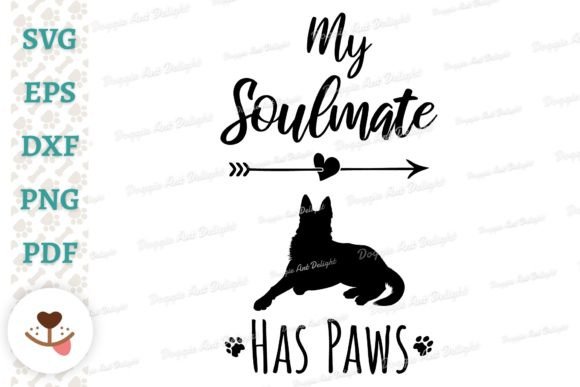
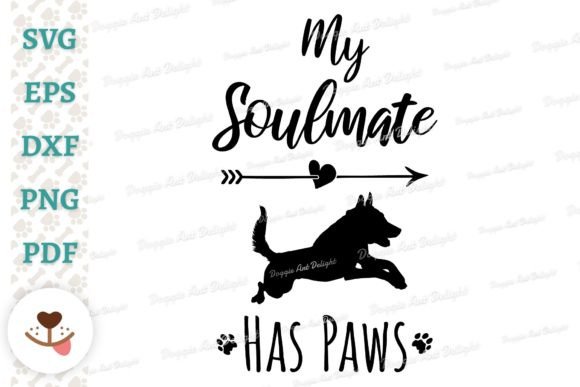
As someone who spends most days behind a machine, evaluating how a design translates from screen to stitch, I’ve learned to look past the pretty previews. The Malinois Dog Lover Design from Doggie Art Delight Studio immediately stood out with its clean, heartfelt message: “My Soulmate Has Paws.” It’s a sentiment that resonates deeply with dog owners, especially those devoted to this intelligent, loyal breed. But does it hold up when you move from a digital file to a real embroidered piece? Let’s break it down from a practical, hands-on perspective.
First Impressions: Mood, Layout, and Realistic Potential
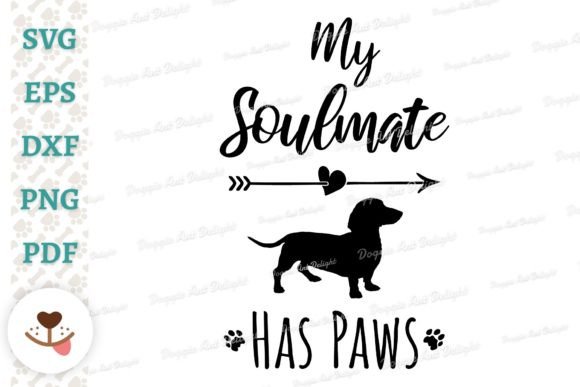
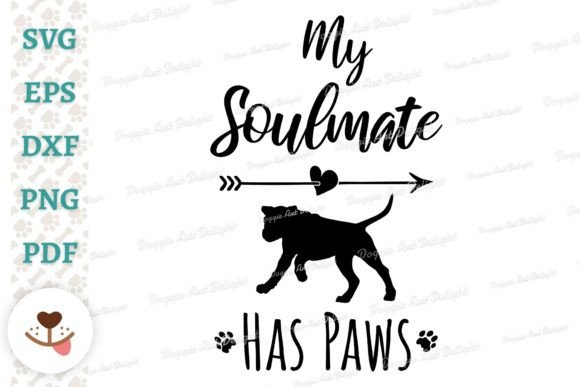
The design has a confident, affectionate vibe. The phrase is centered with a subtle paw motif or simple graphic element—just enough to connect the words without overwhelming them. That balance is crucial for an embroidery project. You want the text to remain legible at finished sizes, while the paw or any accompanying shape adds personality without turning into a dense, thread-heavy mess.
From a layout standpoint, the design feels versatile. It can work as a standalone statement on a tote bag, sweatshirt, or apron, or it could be paired with a custom name or a small Malinois silhouette if you decide to build a larger composition. The overall shape is compact enough to fit on a cap crown or a baby bib, yet the spacing allows it to breathe on a larger canvas like a pillow cover or blanket. That’s a good sign for crafters who need one design to work across multiple product types.
Real Case: Preparing a Custom Embroidered Tote
I recently pulled this design for a client project—a personalised tote bag for a Malinois owner who wanted something subtle but meaningful. The original file is a graphic (likely vector or high-res raster), so step one was to convert it into a proper machine embroidery design. I imported the artwork into my digitizing software, traced the lettering and the paw accent, and assigned stitch types: a dense satin stitch for the main text to give it a polished, raised look, and a lighter running stitch or small fill stitch for any interior details.
The key challenge was preserving the font’s personality. The design uses a friendly, slightly rounded sans-serif—great for readability but requiring enough stitch width to avoid a skinny, fragile result. I tested it on a scrap piece of heavyweight cotton twill at a 5x7 hoop size. The text came out crisp, with no distortion. The paw accent, which had a few tiny cutouts, needed a bit of simplification to prevent thread breaks. After a small adjustment, the test piece looked exactly like the digital mockup: clean, shiny, and full of character.
That tote bag ended up being one of those gifts that stops people mid-conversation. The owner loved that it wasn’t just a generic “dog mom” label—it felt personal to their Malinois bond.
How This Design Performs Across Real Embroidery Projects
When you’re running a craft business or selling on Etsy, you need designs that translate well on different substrates. Here’s what I’ve found with the Malinois Dog Lover Design:
- Custom apparel (sweatshirts, t‑shirts): The design stitches beautifully on medium-weight knits. Use a cutaway stabiliser and a light tacking stitch to keep things stable. The satin stitch areas give a nice sheen against fleece or cotton.
- Embroidered patches: Because the design is compact and has clear outlines, it works great as a standalone patch. I used a tight satin border around the whole shape, and the interior filled evenly. It sewed onto a twill backing without any puckering.
- Caps and hats: For a curved surface, scale the design down to about 2.5 inches wide. The lettering remains legible, but you may want to remove the smallest detail (like a tiny dot in the paw) to avoid distortion on the curve. Test on a spare cap first.
- Baby items and kitchen towels: On lightweight fabrics, reduce stitch density slightly to avoid perforating the material. The design’s simple shape makes it forgiving. I stitched it on a kitchen towel for a holiday gift, and it held up well after several washes—no fraying or pull.
- Printable mockups and digital products: Since the original is a graphic file, you can also use it for print‑on‑demand mockups, heat transfer vinyl, or laser engraving. That flexibility is a big plus for Etsy sellers who want to offer both embroidered and printed variations.
Where You Need to Be Careful
No design is perfect for every project. Here are the situations where I’d recommend caution with this Malinois design:
- Small hoop sizes (4x4 or smaller): The full phrase “My Soulmate Has Paws” is fairly long. In a 4x4 hoop, you’ll need to shrink it quite a bit, and the smallest letters may become narrow and risk breaking thread. Consider splitting the phrase into two lines or omitting the paw accent to maintain readability.
- Stretchy or textured fabrics (jersey knits, chenille): The satin stitch areas can pull if the fabric isn’t well stabilised. Use a tear‑away or wash‑away stabilizer and add a layer of mesh stabilizer on top for stretchy goods. Always test a sample first.
- Dark fabrics: The design likely uses black or dark thread in the previews. If you stitch it on a dark garment, you’ll lose contrast. Swap thread colors to a metallic or a bright white to make the phrase pop. Also check how the paw outline behaves against a dark background—sometimes a subtle outline stitch helps.
- Dense stitch areas: If you keep the original high stitch density from the graphic conversion, it may cause puckering on thin fabrics. I recommend keeping stitch density moderate (around 0.4 mm for satin, 0.6 mm for fill) and reviewing the underlay placement.
How the Design Affects Visual Appeal and Product Value
Customers shopping for personalized gifts or handmade products are looking for something that feels intentional. The “My Soulmate Has Paws” phrasing taps into the emotional connection people have with their dogs. When that message is cleanly embroidered on a sweatshirt embroidery or a tote bag design, it elevates the item from a simple piece of apparel to a statement of identity. I’ve seen this design sell well at craft fairs because it’s specific enough to attract Malinois owners but universal enough in its ‘soulmate’ theme to appeal to other dog lovers.
The presentation also matters. Because the design comes from Doggie Art Delight Studio as a high-quality graphic, creating printable mockups for your online shop is straightforward. You can show the design on a variety of products—mugs, pillows, shirts—without needing to stitch every sample. That saves time and money. Just remember that the actual embroidered look may have slight differences from the mockup due to thread thickness and fabric texture. Always include a disclaimer or a real photo of a finished embroidery project in your listings to build trust.
Practical Embroidery Designer Notes
Before you commit this design to a client order or a production run, here’s my checklist based on real use:
- Test on scrap fabric first. Use the exact fabric type you plan to sell. Check how the thread colors interact, especially if you choose a different palette than the original.
- Review stitch density. Open the digitized file and look at the fill and satin stitch densities. If they’re too high (typically above 0.5 mm for satin), reduce them to avoid distortion and thread breaks.
- Confirm hoop size. The design can be scaled, but verify that the largest dimension fits your hoop. For a 5x7, it’s fine; for a 4x4, you may need to adjust layout.
- Check fine details. Tiny elements like a small paw pad or thin letters may need manual correction. Simplify or enlarge them to ensure clean stitching.
- Test thread contrast. Stitch a sample on both light and dark backgrounds. If the design uses multiple colors, make sure there’s enough contrast between them, not just against the fabric.
- Use proper stabilizer. For most apparel, a medium-weight cutaway works. For delicates, use a tear‑away or water‑soluble topping.
- Review licensing. Since this is a design asset from Doggie Art Delight Studio intended for graphic design purposes, you need to confirm whether the license covers commercial embroidery or selling finished products. The product description mentions printing, cutting, engraving, and print on demand, but embroidery may fall under a different usage. Check the studio’s terms before listing anything for sale.
Final Thoughts on the Malinois Dog Lover Design
For anyone running a small shop or making custom apparel for the dog community, this design is a solid addition to your library. It’s not overly complicated, which makes it forgiving for intermediate digitizers, yet it has enough character to stand out on finished products. The “My Soulmate Has Paws” message is a winner with buyers who see their dog as family.
My only caution is to treat it as a starting point. Because it’s a graphic file—not a ready-to-stitch embroidery file—you’ll need to digitize it properly or hire a specialist if you don’t have the software. Once you do, the design adapts well to applique design treatments, standalone patches, and even baby embroidery when scaled appropriately. Its crafts and graphics origins give you flexibility across mediums, as long as you respect the material and hoop limitations.
In short, this Malinois design earns a spot in my active project folder. It’s reliable, emotionally engaging, and versatile enough to satisfy both one-off custom orders and small batch production. Give it a test run on a tote bag or a hoodie—I think you’ll agree it stitches up just as nicely as it looks on screen.