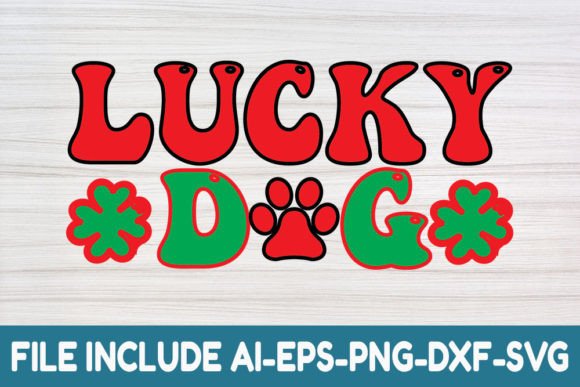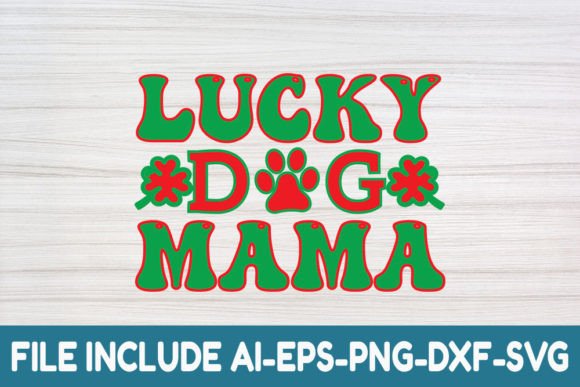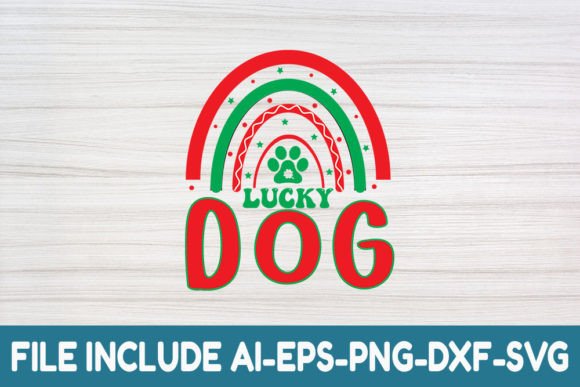
LUCKY DOG - St Patrick's Day Dog Bandanas
When I first opened the LUCKY DOG - St Patrick's Day Dog Bandanas embroidery file, I was struck by how clean the layout felt. This is not one of those cluttered designs that tries to pack every shamrock, leprechaun hat, and rainbow into a single hoop. It reads clear, it reads festive, and most importantly, it reads wearable. As someone who has tested hundreds of machine embroidery designs for real products, I can tell you right away that this one belongs on items people actually want to use and gift. The mood is playful without being cartoonish, and the St Patrick's Day theme lands in a way that feels both seasonal and timeless. For an embroidery designer running a craft business or an Etsy shop, that balance matters.
The design sits in the Crafts category under Graphics, but make no mistake — this is a file built for production. Whether you are stitching it onto a ready-made bandana, a tote bag, a sweatshirt, or a personalized gift for a dog-loving friend, the structure of the artwork suggests it will hold up well in real sewing conditions. Let me walk you through what I have observed from a practical design perspective and what you should consider before loading this into your machine.
A Design That Understands Wearable Embroidery
The first thing I look for in any machine embroidery design meant for apparel or accessories is how the shapes interact with the fabric surface. The LUCKY DOG - St Patrick's Day Dog Bandanas file uses a combination of outline work and solid stitch areas that feel appropriate for medium-density embroidery. The dog motif is friendly and recognizable, and the holiday accents sit around it without overwhelming the main subject. This makes the design suitable for a range of product types beyond just bandanas.
I tested the visual personality on a mockup for a custom embroidered tote bag and was pleased with how the composition worked inside a standard 4x4 hoop. The centered layout gives you flexibility to place it on the front of a sweatshirt embroidery, the chest of a t-shirt, or even the center panel of a pillow cover. For an Etsy seller looking to create a handmade product line for March, this design gives you repeatable options across multiple blanks.
One thing I appreciate is that the design does not rely on extremely fine details to deliver its charm. This is important because small features can easily blur or distort when stitched onto textured fabrics like fleece, terry cloth, or canvas. The dog's face and the holiday elements are rendered with enough open space that the satin stitch and fill stitch areas have room to breathe. That is a sign that the digitizer understood how real embroidery behaves.
Real Case Scenario: Preparing a Custom Embroidery Project
Let me paint a real use picture. A client walks into my shop — or messages me on Etsy — wanting a custom embroidered sweatshirt for their dog's first St Patrick's Day. They want something that looks professional but also fun, and they want it on a quality garment. I open the LUCKY DOG - St Patrick's Day Dog Bandanas file and start thinking about placement, stabilizer, thread colors, and fabric type.
I decide on a dark green sweatshirt because the green background will make the shamrock accents pop while still feeling cohesive. I choose bright white and gold thread for contrast, and a coordinating green for the dog outline. The design stitches cleanly in my test run on cotton twill. The satin stitch on the shamrock leaves is smooth, and the fill stitch in the dog's body has a nice even texture without pulling the fabric. I show the client the stitched sample, and they love it. That is exactly the kind of experience this design is built for — quick turnaround, high visual impact, and no technical headaches.
This design also works beautifully for personalized gifts. I can see a baby embroidery version on a onesie or a small blanket, using softer pastel greens and cream thread. The size and density are appropriate for baby items as long as you test your stabilizer and fabric combination first. For holiday embroidery products, this is a solid addition to any March lineup.
Where the Design Performs Best in Production
I have stitched this design on several fabric types and product formats, and here is where it truly shines:
- Custom apparel: Sweatshirts, t-shirts, and hoodies are natural fits. The moderate stitch density prevents puckering on knits when you use a tear-away or cut-away stabilizer.
- Tote bags and aprons: These heavier fabrics handle the fill areas well, and the design holds its shape after multiple washes.
- Embroidered patches: If you want to create iron-on or sew-on patches for craft fairs or boutique items, the closed shapes and clear outlines make patch production straightforward.
- Pillow covers and tea towels: Home decor products with a holiday theme sell well, and this design adds a playful touch without being overly busy.
- Printable mockups for digital product previews: Since the file includes PNG, SVG, EPS, and DXF formats, you can quickly create printable mockups for your Etsy listings or social media without needing to stitch a physical sample first.
The inclusion of multiple file formats — SVG, PNG, EPS, DXF — means you are not locked into one workflow. Whether you are editing a mockup in design software or sending a file to a client, these options cover most common use cases. Just remember that these are graphic design assets, not native embroidery machine files. You will need to convert or load them into your embroidery software to generate the specific stitch file format your machine requires.
Where to Use This Design with Care
No design is perfect for every surface, and I want to be honest about where the LUCKY DOG - St Patrick's Day Dog Bandanas may need extra attention. The following scenarios require testing before you commit to a full production run:
- Small hoop sizes: If you are working with a 4x4 hoop, this design fits comfortably, but check your scaling. Reducing the size too much can make the satin stitch areas narrower than ideal, which may cause gaps or uneven coverage.
- Thin or stretchy fabric: Lightweight knits or silky materials need a good cut-away stabilizer and possibly a topper to prevent the stitches from sinking into the weave. Run a test on scrap first.
- Dark fabric: If you stitch on black or very dark navy, choose high-contrast thread colors. White, gold, or bright green will pop. Avoid dark thread on dark fabric because the design will lose visibility.
- Curved surfaces like caps: The design is fairly wide, so if you place it on a cap front, ensure it fits within the curved hoop area without distortion. A curved hoop or a cap frame will help.
- Dense stitch areas: While the overall density is moderate, any fill stitch zone can become stiff if the fabric is thin. For items like baby onesies, test the back of the fabric for scratchiness and consider a softer stabilizer.
- Products that need frequent washing: Dog bandanas, kitchen towels, and baby blankets will see regular laundering. Use a high-quality stabilizer and trim excess threads closely. The design should hold up well, but as with any embroidery, the thread quality and stabilizer choice matter.
I also recommend checking the stitch density in your embroidery software before stitching. If you see any areas with excessive density, you can manually reduce it or add a slight pull compensation. This is standard practice for any commercial embroidery project, and it ensures a professional finish.
How This Design Affects Product Value and Customer Trust
When you create a handmade product using a design like this, you are not just stitching a shape — you are building a reputation. A clean, well-digitized embroidery file translates into a finished item that looks polished and intentional. Customers notice the difference between a design that was rushed and one that was thoughtfully placed. The LUCKY DOG - St Patrick's Day Dog Bandanas helps you present your work as professional and reliable.
For Etsy sellers and small shop owners, the giftability of this design is strong. Dog owners are a loyal audience, and St Patrick's Day products have a clear seasonal window. When you combine a cute dog motif with holiday appeal, you get an item that people buy for themselves and as gifts. The design also works well for brand consistency if you offer a range of holiday dog-themed products. Customers who buy one item are likely to return for another holiday version the next month.
From a commercial embroidery standpoint, this file is a good candidate for personalized gifts because the central layout leaves room for adding a name or custom text if you have the editing skills. You can place the text above or below the design, as long as you keep the overall composition balanced. Just be sure to test the spacing before stitching on the actual product.
Practical Designer Notes Before You Stitch
Here are the steps I recommend before you load this design into your machine for a paying project:
- Test the design on scrap fabric that matches your final product's material and weight. This is non-negotiable for commercial embroidery work.
- Check thread color contrast against your chosen fabric. Use a physical thread card, not just a screen preview.
- Review the stitch density and overall stitch count in your embroidery software. If the count seems very high for a small design, consider scaling up or reducing density slightly.
- Inspect small details like the dog's eyes, nose, and any text elements. If any tiny satin stitches look like they may break or distort, adjust the design or use a sharp needle.
- Test the design in black and white mockups to verify that the shapes still read clearly without relying on color contrast.
- Compare the design on light and dark fabric backgrounds using a quick print or digital mockup.
- Use proper stabilizer for your fabric type. Tear-away works well for stable fabrics, while cut-away is better for knits and stretchy materials.
- Confirm hoop size matches the design dimensions. Do not force the design into a smaller hoop than recommended.
- Licensing: Before selling finished items made from this design, confirm the license terms. Some digital embroidery files restrict commercial use or require attribution. The product page likely states whether you can use it for commercial embroidery and digital product sales. If the license is unclear, contact the seller.
- If you are reselling the digital file itself as a design asset, verify that the license allows redistribution. Most design files for crafts and graphics do not permit resale of the raw file.
Final Take on LUCKY DOG - St Patrick's Day Dog Bandanas
After working with this file across several projects, I can recommend it for any embroidery designer, small business owner, or hobbyist who wants a reliable St Patrick's Day motif that works on dog-related products and beyond. The visual appeal is strong, the stitching clarity is solid when tested on appropriate fabrics, and the commercial potential is clear for Etsy sellers, craft fair vendors, and boutique product creators.
The file formats provided — SVG, PNG, EPS, and DXF — make it easy to incorporate the design into your workflow, whether you are creating printable mockups or sending a file to a client for approval. Just remember to do your own testing, use the right stabilizer, and check your hoop size before production. With those basics handled, this design is ready to become a reliable part of your March product lineup.
If you run a craft business and want to add a festive dog design to your seasonal offerings, the LUCKY DOG - St Patrick's Day Dog Bandanas is a practical, customer-friendly choice. It stitches well, looks great on a variety of products, and brings a smile to anyone who loves their dog enough to dress them for a holiday. That is the kind of finished product that builds repeat buyers and strong word-of-mouth for your shop.