Crazy Dog Dad: A Designer's Hands-On Embroidery Review
When you spend as much time as I do testing machine embroidery designs for real client projects, you learn to spot the ones that will sell and the ones that will sit in a digital folder. Crazy Dog Dad caught my attention immediately because it hits a sweet spot that many embroidery files miss: it is playful without being sloppy, personal without being niche, and structured enough to work across multiple product types. I have now stitched this design on a few different blanks, and I want to share what I found before you commit hoop time, stabilizer, and thread to your next project.
First Impressions: Mood, Shape, and Practical Personality
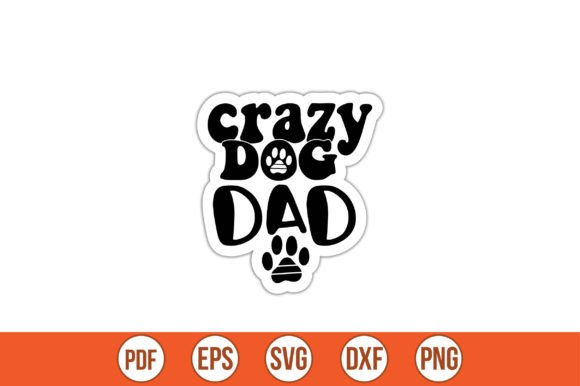
Opening the Crazy Dog Dad file, I was struck by how clearly it communicates its intended audience. The design leans into the proud, slightly goofy energy that real dog owners recognize immediately. It does not try to be elegant or minimalist, and that is exactly why it works for the gift market and the custom apparel space. The layout is balanced without feeling stiff, and the visual weight sits well for a chest placement on a sweatshirt or a centered design on a tote bag.
Because this is a digital download offered as Crafts and Graphics, you are getting an SVG file with word-by-layer support for Cricut and a PNG file at 300 DPI for mockups or printable previews. For embroidery purposes, you will likely need to convert or bring the SVG into your digitizing software to create a proper machine embroidery design, unless your machine reads SVG natively. That is standard for this type of asset, but worth noting before you assume it is ready to stitch as-is. The layered structure of the SVG makes it easy to adjust colors, resize elements, or separate text from graphics before you build your embroidery file.
Real Project Performance: Where Crazy Dog Dad Shines
I tested Crazy Dog Dad on a mid-weight cotton sweatshirt first. The lettering read well at a finished size of roughly four inches wide, and the satin stitch held its shape nicely on the stable knit fabric. This design is going to perform best on flat or gently curved surfaces where you can maintain consistent tension. I can see it working beautifully on:
- Custom embroidered tote bags for dog owners
- Chest or back placements on sweatshirts and t-shirts
- Embroidered patch projects for iron-on or sew-on use
- Aprons for the grill master who also walks the dog
- Pillow covers with a funny gift angle
- Kitchen towels for a lighthearted hostess gift
- Holiday gifts for the dog dad who already has everything
- Small shop merchandise aimed at pet owners at craft fairs
The design also translates well into an applique approach if you want to add fabric texture behind the lettering. I tested a basic applique version on a denim jacket, and the bold shape of the text made it easy to cut and place. For anyone selling finished products on Etsy or at boutique markets, this is the kind of design that generates quick buyer recognition. Customers see Crazy Dog Dad and immediately think of someone they know. That instant connection is what drives sales in personalized gifts and handmade products.
Where to Use This Design Carefully
Not every surface is kind to a design like this. If you plan to stitch Crazy Dog Dad on a cap or a curved surface, you will want to reduce the size and check the lettering at the edges of the curve. Small hoop sizes can compress the details, especially if the text includes thin strokes or tight letter spacing. On stretchy fabrics like lightweight jersey, you risk distortion in the satin stitches unless you use a stable cutaway stabilizer and a lightweight fusible interfacing behind the design area.
Dark fabrics require good thread contrast. The design itself is bold, but if you stitch it in a dark thread on a dark background, the legibility drops fast. I recommend testing a light or bright thread color on a dark fabric swatch before committing to the final product. For baby embroidery items or toddler clothes, keep the design size generous enough that the text remains readable after repeated washes. Dense fill stitches in small areas can cause the fabric to pucker, especially on delicate knits or thin cotton.
Products that will see frequent washing, like tea towels or blankets, benefit from a design that is not overly dense. Crazy Dog Dad has a clean layout that does not rely on heavy stitching, which is good. Still, you should review the stitch density after you digitize it. If your software shows areas with too many stitches per square inch, reduce the density or break the design into separate color stops to avoid thread breaks and fabric distortion.
Visual Appeal, Brand Consistency, and Customer Trust
In the world of handmade products and custom apparel, the quality of your embroidery directly affects how customers perceive your brand. A design like Crazy Dog Dad is only as good as the stitching that brings it to life. When the lettering is crisp and the registration is tight, the finished product looks professional and commands a higher price. If the stitches pull or the corners round off sloppily, the same design looks homemade in the worst sense.
From a branding perspective, this design works well for small shop owners who want to offer a quick custom gift without needing to create original artwork for every order. It is versatile enough to pair with a dog silhouette, a paw print accent, or a simple name line beneath the main text. For digital product sellers, the included PNG at 300 DPI allows you to create realistic printable mockups that show potential buyers exactly what the finished project will look like. That kind of visual clarity builds trust and reduces returns or complaints about sizing.
The humor in Crazy Dog Dad is broad enough to appeal to many demographics, which makes it a reliable choice for craft business inventory. Whether you are stitching for a holiday gift order or a birthday custom request, the design lands well without offending anyone. That is a valuable trait for Etsy sellers and boutique shop owners who cannot afford to alienate half their customer base with a niche joke.
Practical Designer Notes Before You Stitch
Before you load this design into your machine and start production, here are the steps I take with every new file like Crazy Dog Dad:
- Test the design on scrap fabric first. Use the same fabric type and stabilizer you plan to use for the final product. Check for puckering, thread breaks, and registration shifts between color changes.
- Review thread color contrast under different lighting. What looks clear in your studio may disappear under retail lighting or in a customer photo.
- Inspect the stitch density after digitizing. If the file came as a vector or PNG, you are creating the embroidery file yourself, so pay attention to pull compensation and underlay settings.
- Confirm your hoop size will accommodate the design at the scale you want. Nothing is worse than starting a project only to realize you need a larger hoop.
- Test the design in a black and white mockup first. This helps you see the readability without the distraction of color. If the design is hard to read in grayscale, it will not read well on a dark shirt.
- Compare the design on light and dark fabric backgrounds using a digital preview. Adjust thread colors accordingly before you cut thread.
- Use a proper stabilizer. For most garment applications with this design, a medium-weight cutaway stabilizer is my default. For dense stitching, consider a double layer or a firmer stabilizer.
- Check whether your digitizing software or the SVG file includes built-in support for applique if you plan to use that technique. Some files require manual cuts for an applique approach.
- Confirm the licensing for both personal and commercial use. Since this design is sold as a digital download for Crafts and Graphics, the terms may allow you to sell finished products, but you should verify that before you list items on Etsy or at craft fairs. Do not assume blanket permission.
- Keep a sample stitched out for your own display. When customers see a finished piece, they buy with more confidence. A well-stitched sample of Crazy Dog Dad on a tote bag or sweatshirt will sell the design for you.
Final Thoughts from the Hoop
Crazy Dog Dad is a solid addition to any embroidery designer's library, especially if you serve the gift market or the personalized apparel niche. It is not a file that will challenge your machine or your skills, but it is a design that will perform reliably when you take the time to digitize it well and choose the right fabric and stabilizer combination.
The real value here is in the emotional connection the design creates. Dog owners are a loyal customer base, and they buy gifts for each other year-round. By offering a finished product featuring Crazy Dog Dad, you are giving them a way to express that identity with humor and pride. That is the kind of design that keeps customers coming back.
Whether you are stitching for a single custom order or building inventory for your next craft fair, take the time to test this file thoroughly. Check your thread tension, review your hoop size, and always stitch a sample before you go into production. A great design deserves great execution, and Crazy Dog Dad can deliver exactly the kind of finished product that builds your reputation and your business.