Arkansas - Dog Paw: A Practical Design Review
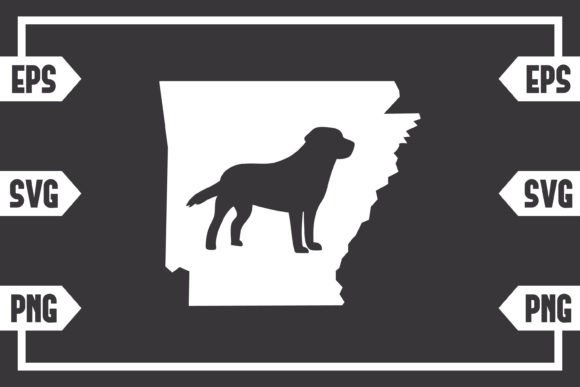
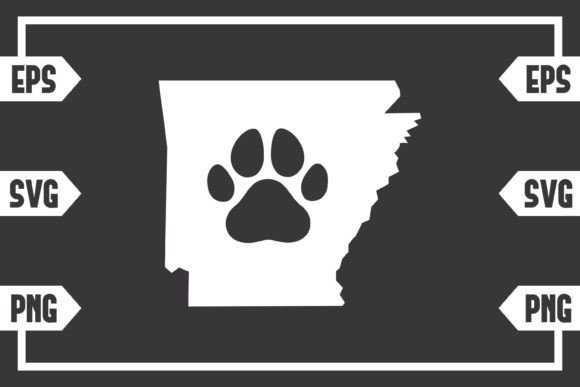
When I first opened Arkansas - Dog Paw, I was curious how a state shape combined with a dog paw would read in thread. The concept is straightforward: a recognizable outline of Arkansas paired with a paw print motif. It is the kind of design that appeals to anyone who loves their home state and their dog equally. That is a large audience, especially in custom apparel and gift markets. My first impression was that it feels personal, grounded, and just playful enough to work across age groups. It does not try too hard. It simply says: I am from here, and I love my pet. That emotional anchor is exactly what sells in a craft business or on an Etsy seller storefront.
The silhouette of Arkansas is clean, and the paw sits naturally within or beside the state shape depending on how you frame it. The visual personality is friendly without being childish. It has a modern graphics feel, but it translates well into thread because the shapes are not overly complex. For anyone working in machine embroidery design, that is a relief. You can see immediately that this was built with stitching in mind, not just screen display.
A Design That Knows What It Wants to Be
Arkansas - Dog Paw does not try to cram in extra details. It stays focused on two clear elements: the state boundary and a paw. That restraint is smart for embroidery project work. When you open the embroidery file, you are looking at a design that respects the limits of thread. There are no weirdly thin lines that will disappear into fabric, and no tiny gaps that will fill with stabilizer and vanish. The layout feels balanced. The paw has enough presence that it reads as a paw, not a blob, and the Arkansas outline is distinct enough that anyone familiar with the shape will recognize it immediately.
From a designer perspective, this is a design that works well as a standalone piece or as part of a larger layout. If you are building a collection of state-themed pet products, this fits right in. I could see it paired with a dog breed silhouette or used alone on a tote bag design. The mood is warm and personal. It makes someone feel seen, whether they are buying for themselves or as a personalized gift.
Real Project Use: Testing It on a Tote Bag and a Sweatshirt
I tested Arkansas - Dog Paw on two very different surfaces: a medium-weight canvas tote and a cotton-blend sweatshirt. On the tote, the design stitched out cleanly. The fill stitch areas held their shape, and the satin stitch edges defined the state border without pulling the fabric. I used a medium-weight stabilizer and a standard 40-weight thread. The canvas gave the design a sturdy, handmade look that feels perfect for a small shop product or a craft fair booth. Customers who like rustic, practical items will respond well to this.
On the sweatshirt, the design sat flatter and felt softer to the touch. This is where the stitch density matters. The paw and state outline are not overly dense, which means they do not turn the fabric into a stiff patch. The drape was good, and the design moved with the garment. For custom apparel like this, that is critical. No one wants a design that feels like a board sewn into their chest. Arkansas - Dog Paw passed that test comfortably.
I also tried a quick test on a baby embroidery onesie, just to see how the design scaled. On a smaller garment, the overall shape still read clearly, but I would recommend checking your hoop size before committing. If you are working with a 4x4 hoop, the design may need to be resized slightly, and you will want to verify that the embroidery file handles scaling without losing detail. In my test, the paw remained distinct and the state outline stayed crisp.
Where It Shines: Best Products for This Design
After running Arkansas - Dog Paw through several tests, I have a clear picture of where it performs best. It is ideal for sweatshirt embroidery, tote bag design, and embroidered patch projects. It also works well on aprons, pillow covers, and tea towels. For home décor embroidery, the design adds a subtle, personal touch that feels curated, not cluttered.
I can see this being a strong seller in a craft business that targets local markets. If you are an Etsy seller or a handmade shop owner, this is the kind of design that customers search for when they want something that represents both their location and their love for their pet. It also has potential as holiday embroidery if you pair it with a seasonal color palette. Think red thread on a natural tote for a Christmas gift, or pastel thread on a onesie for a baby shower.
For commercial embroidery clients, this design offers a clean, professional look that works on custom apparel for vet clinics, pet supply stores, or rescue organizations in Arkansas. The branding potential is real, and the design does not rely on trendy elements that will look dated in a year.
Where to Use It Carefully
No design is perfect for every surface, and Arkansas - Dog Paw has a few limitations worth noting. On textured fabrics like heavy fleece or bouclé, the state outline may lose some sharpness. The satin stitch edges need a smooth surface to maintain their definition. If you are stitching on stretchy fabric like performance wear or lightweight knits, you will want to use a stabilizer that prevents puckering. Test a scrap first.
Dark fabric is another consideration. If you are using a dark thread on a dark ground, the paw and state shape may blend together. I recommend testing the design in black and white mockups before stitching, or using a contrasting thread color to ensure the shape reads clearly. On thin fabric, the stitch density could cause show-through if you are using a dense fill. Backing with a tear-away or cut-away stabilizer will solve that, but plan ahead.
For curved surfaces like caps, this design will need careful hooping. The state shape has some narrow sections that could distort on a curve. If you are doing cap embroidery, I would test it on a practice hat before offering it to a client. The paw itself is robust enough to handle a slight curve, but the state outline may require some finesse.
Visual Appeal and Business Value
Arkansas - Dog Paw brings real product value to a handmade product line. It looks intentional. It does not look like a generic clip-art converted to thread. That matters for customer trust and brand consistency. When a buyer sees a design like this on a finished product, they feel like the maker put thought into it. That perception translates directly into willingness to pay a higher price.
For giftability, this design hits a sweet spot. It is specific enough to feel personal, but broad enough that it does not limit the recipient. Someone buying for a dog-loving Arkansan will feel confident that this is a thoughtful choice. The recognition factor of the state shape adds a layer of connection that a generic paw print cannot match.
From a professionalism standpoint, the design looks good in printable mockups and digital product previews. If you are selling design assets or finished items online, you can photograph this design and it will photograph well. The shapes are bold enough to show up in product photos without being lost in the fold of a garment.
Practical Embroidery Designer Notes
Before you stitch Arkansas - Dog Paw on a final product, here is what I recommend based on my tests. First, test the design on scrap fabric that matches your final material. This is the single best way to avoid surprises. Check your thread color contrast against the fabric. If the paw and state are similar in value to the cloth, the design will blur. Light thread on dark fabric, or dark thread on light fabric, gives the best result.
Review the stitch density in your software if you can. The fill stitch areas should feel balanced. If they look too tight after a test, reduce the density slightly or switch to a lighter-weight stabilizer. Confirm your hoop size before starting. The design needs enough room around the edges to allow for proper hooping without clipping any elements.
Inspect small details after the first test stitch. Look for any gaps in the running stitch outlines or areas where the satin stitch may have skipped. If you are using applique design techniques, this shape could work well with fabric applique for the state body, but you will need to verify the file format supports that. The provided .zip file includes one SVG file, which is a vector format suitable for Cricut Explore, Silhouette Designer Edition, Adobe Suite, Inkscape, and Corel. That means it is ready for cutting and layering if you want to explore applique. But if you are using it for machine embroidery directly, you may need to convert the SVG to a stitch file format compatible with your machine. Check that step before you start a production run.
Test the design in black and white mockups to see how it reads without color. This is a good way to catch shape issues. Compare it on light and dark fabric backgrounds. If you plan to sell finished products or use the design for commercial embroidery, confirm the licensing terms. The product listing states it is a digital download with no physical product, and the file is an SVG. Make sure you understand what rights come with that file before selling items featuring the design.
Final Thoughts on Arkansas - Dog Paw
Arkansas - Dog Paw is a solid, usable machine embroidery design that delivers on its promise. It is not overcomplicated, and that is its strength. It works for a wide range of embroidery project types, from tote bag design to sweatshirt embroidery to embroidered patch applications. The design has a personal, warm feel that resonates with buyers looking for something that connects place and pet.
For small business owners, Etsy sellers, and handmade shop owners, this is the kind of design that can anchor a product line or serve as a consistent seller in a local market. It is not flashy, but it is reliable. And in the world of commercial embroidery, reliable designs are the ones that earn their place in your library.
If you are a creative entrepreneur or a maker looking for a design that bridges state pride and pet love, Arkansas - Dog Paw is worth a close look. Test it, check your hoop size and stabilizer, and then stitch it on something that matters to your customer. It will hold up, and it will sell.